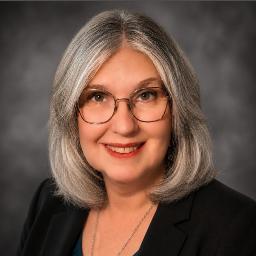
Brenda Atkinson
LCSW, CSW
Seasoned LCSW guiding emotional growth and life transitions
- Stress, Anxiety
- Relationship
- Family
Clinical social work directory
160 therapists in this directory list Licensed Clinical Social Worker (LCSW). Registration details are shown as each therapist lists them; the body's own public register is the place to check a number.
A Licensed Clinical Social Worker (LCSW) is a mental health professional who has completed a Master of Social Work and additional supervised clinical experience to provide psychotherapy and related services. You can browse verified LCSW therapists below to review profiles, specialties, approaches and languages offered.
LCSW, CSW
Seasoned LCSW guiding emotional growth and life transitions
LCSW
Compassionate trauma-informed therapy for recovery
LCSW
Experienced therapist blending insight and practical tools
LCSW
Therapist blending meaning and practical skills
LCSW
Experienced LCSW blending practical skills and depth
LCSW
Experienced LCSW blending Jungian and practical methods
LCSW
Calm, practical support for everyday struggles
LCSW
Supportive LCSW blending meaning and practice
LCSW
Practical, respectful therapy for life turning points
LCSW, LISW
Experienced clinician blending life experience and psychotherapy
LCSW
Experienced LCSW blending Jungian and practical care
LCSW
Insightful support for stress and relationships
LCSW, CSW
Insightful guide for meaningful change
LICSW, LCSW
Healing through meaning and practical skills
LCSW
Therapist blending depth work and practical skills
LCSW
Experienced LCSW blending insight and practical tools
LCSW
Experienced LCSW focusing on relationships and stress
Experienced clinician grounded in Jungian perspective
LCSW
Compassionate, creative therapy for life changes
LCSW
Compassionate guidance for practical change
LCSW, CSW
Compassionate, practical therapy with depth
LCSW
Insight into patterns and practical coping steps
LCSW
Grounded, relational therapy for life transitions
LCSW
Experienced therapist blending depth and practical work
LCSW
Skilled, down-to-earth support for life changes
LCSW
Experienced LCSW blending insight and practical skills
LCSW
Compassionate therapist blending insight and practical skills
LCSW, LISW-CP
Exploring meaning while building usable skills
LCSW
Insightful therapist focused on practical change
LCSW
Insightful Jungian-informed guidance for change
LCSW, CSW
Practical support with depth and clarity
LCSW
Compassionate, practical therapy for life challenges
LCSW
Compassionate therapist who blends depth and practical tools
LCSW
Practical, person-focused therapy in California
LCSW
Calm, thoughtful therapy for life’s hard moments
LCSW, CSW
Thoughtful, collaborative therapy for life challenges
LCSW
Compassionate social worker blending insight and action
LISW-CP, LCSW
Therapist guiding practical insight and growth
LCSW
Compassionate, experienced therapist focused on practical progress
LCSW
Therapy that blends meaning with practical skills
LCSW, LISW
Jungian-informed therapist combining practical skills
Some links on this page are partner links. We will earn a commission if you sign up through one, at no cost to you. It does not change what you pay or the order of the listings.
When you see the LCSW designation it indicates that the clinician has completed a graduate degree in social work, typically a Master of Social Work (MSW), and fulfilled the supervised clinical hours required by their state licensing board. Those supervised hours are focused on clinical practice and are completed after the graduate degree, under oversight by an experienced licensed clinician. After meeting education and supervision requirements, most candidates pass a standardized licensing exam administered by the Association of Social Work Boards or a state equivalent. States also require ongoing continuing education to maintain licensure, so an active LCSW has engaged in periodic professional development.
Social work training emphasizes the interaction between individual experience and broader systems - family, community, institutions and social policy. As a result, LCSW clinicians bring a perspective that blends psychotherapy with attention to social determinants of wellbeing, access to resources and coordination of services. That perspective can be particularly helpful when mental health concerns intersect with housing, employment, school, medical care or public benefits.
An LCSW is licensed to provide clinical assessment, diagnose mental health conditions where appropriate, develop treatment plans and deliver psychotherapy across the lifespan. In many settings LCSWs also handle case management, care coordination and connections to community resources. While scope of practice varies by state, LCSWs commonly work in outpatient clinical settings, hospitals, schools and community agencies. You should know that LCSWs do not generally prescribe medication; if medication is under consideration you would work with a prescriber such as a psychiatrist, nurse practitioner or a primary care clinician in collaboration with your LCSW.
The differences between license types often come down to training focus and regulatory requirements. Licenses such as licensed professional counselors or marriage and family therapists have their own educational pathways and emphases. LCSW training typically includes coursework and practicum experiences centered on social systems, advocacy and resource navigation as well as clinical therapy. That makes LCSWs well suited to addressing mental health concerns within the context of relationships, community and systemic factors, complementing the skills of other licensed professionals.
Many LCSWs work with a diverse range of presenting concerns. You may find clinicians who focus on trauma, depression, anxiety, grief and loss, family or relationship challenges, parenting and child development, elder care, perinatal mental health, substance use and the mental health needs of marginalized communities. Because social workers often practice in settings that bridge clinical care and social services, they also frequently address practical issues like housing instability, legal system involvement, employment barriers and school-related needs within the therapeutic process.
When exploring profiles you will see a variety of clinical approaches. Language you encounter might include psychodynamic methods, cognitive and behavioral strategies, humanistic approaches, Jungian perspectives, somatic-informed work and trauma-informed modalities. To be precise, directory listings reflect the approaches that therapists list on their profiles; a profile that lists EMDR, internal family systems or other methods indicates those approaches are among what the clinician reports using rather than independent certification or training status verified by this site.
If you want to confirm that a clinician holds an LCSW you can consult the licensing board for the state that issued the license. Most state boards offer an online license lookup where you can enter a name or license number to confirm active status, expiration date and any public disciplinary actions. That public record typically includes the license type and whether the license is in good standing. If a therapist practices across state lines or offers care to out-of-state clients, licensing details may vary, so it is important to confirm which state issued the license and whether interstate practice is permitted under that state's rules.
You can also ask the clinician for their license number and the name of the issuing board. Some people review the clinician's educational credentials and supervised experience in more detail, checking the accredited school that issued the MSW and the nature of post-graduate supervision. While those documents may not be publicly available, a clinician should be willing to answer basic questions about their education, licensure and professional background. If you have concerns about discipline or scope of practice, the state board is the authoritative source for those matters.
Choosing an LCSW can bring particular advantages if you are looking for therapy that integrates clinical care with attention to the broader context of your life. LCSWs are trained to consider how relationships, community resources and social systems affect wellbeing, so they can be helpful when practical problem-solving and access to services are part of your needs. In addition, many LCSWs have experience collaborating with multidisciplinary teams in medical, educational or social service settings, which can be useful when care coordination is important to your goals.
Start by clarifying what matters most to you - clinical approach, population focus, language, cultural background or experience with particular life stages. Read profiles to learn how therapists describe their specialties and the approaches they list. Pay attention to practical details such as whether the clinician works with adults, adolescents, couples or families, and whether they mention work with the issues you are facing. When you contact a clinician, you may ask about their experience with your concern, how they typically structure sessions and how they define progress. Trust your experience of the clinician's communication during those initial exchanges; feeling understood and respected is an important indicator of fit. Finally, consider whether you want therapy that emphasizes insight-oriented exploration, skills-based strategies, systems work or a combination - matching your preference to a clinician's stated approach can help you find a productive therapeutic relationship.
Choosing a therapist is a personal decision and it is reasonable to take time to explore profiles, ask questions and reflect on what matters most to you. Using the directory to compare specialties, approaches and languages can help you identify LCSWs whose background aligns with your needs, so you can begin a process of care that fits your goals and context.