Clinical social work directory
Therapists in Idaho
7 therapists in this directory hold a licence issued in Idaho and name Jungian therapy among their approaches. Sessions are online; a US therapist can usually only see people in a state where they hold a licence, so check the credentials panel on each profile.
Welcome to our directory for online therapists serving Idaho. All therapists listed here are licensed in Idaho; explore their profiles to learn about approaches, focus areas, credentials, and languages.
Use the listings below to view practitioner profiles, read about the approaches they list, and start narrowing options that fit your needs.

Shelly Sanders
LCSW
Practical, compassionate therapy with depth
- Stress, Anxiety
- Trauma and abuse
- Anger
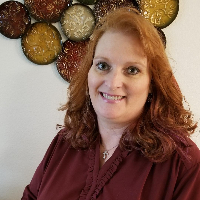
Tonya Boyd
LCMHC, LCPC
Compassionate counselor helping people find clarity
- Stress, Anxiety
- LGBT
- Self esteem

Kyle Carpenter
LPC
Calm, clear support for anxiety and life change
- Stress, Anxiety
- Addictions
- Trauma and abuse


Camille Magalogo
LCSW
Compassionate LCSW blending insight and practical skills
- Trauma and abuse
- Grief
- Career

Linda Hill
LCPC
Experienced counselor blending Jungian and practical methods
- Stress, Anxiety
- Relationship
- Grief

Some links on this page are partner links. We will earn a commission if you sign up through one, at no cost to you. It does not change what you pay or the order of the listings.
Online therapy in Idaho - an overview
Online therapy has become a mainstream way to access mental health support across the United States, and Idaho is part of that shift. In Idaho you will find therapists who offer sessions by video, phone, or other remote methods so you can work with a licensed practitioner without traveling to an office. The specifics of how telehealth is delivered can vary by clinician and by the kind of license they hold, so what you will see on this directory are profiles that describe the platforms, session formats, and clinical approaches each therapist lists.
When you explore listings in Idaho you will notice a mix of clinicians who identify with Jungian approaches alongside those who list cognitive behavioral methods, mindfulness-based strategies, trauma-informed care, and other approaches. Because listings reflect how therapists describe their work rather than external certifications, it helps to read profile details and introductory notes carefully. The availability of online options means you can consider clinicians in different parts of the state while staying within Idaho’s licensure framework, which governs practice for residents of the state.
Benefits of online therapy for Idaho residents
If you live in a rural community, are balancing a demanding schedule, or prefer to meet from home, online therapy can increase accessibility. Idaho’s wide geography means some areas have fewer local clinicians, and remote sessions can reduce travel time and make it easier to keep regular appointments. You may also find that online sessions allow you to choose a therapist whose approach or background aligns closely with your needs rather than limiting your choice to what is within driving distance.
Online therapy can also support continuity of care when life circumstances change. If you commute for work, travel seasonally, or face mobility constraints, remote sessions can help maintain a therapeutic relationship. You have the option to shape your environment for sessions in a way that feels comfortable and focused. Many people report that being in a familiar setting helps them engage more fully in reflection and discussion, though others prefer neutral settings such as a quiet room outside the home.
What issues do online therapists in Idaho commonly help with?
Therapists offering online services in Idaho work with a broad range of concerns. You will commonly find clinicians who help with symptoms of anxiety and depression, relationship and family challenges, grief and loss, life transitions such as career change or relocation, and concerns related to identity and self-understanding. Some therapists list trauma-focused approaches and help people process difficult events, while others emphasize personal growth, meaning-making, and creative or depth-oriented work that draws on Jungian ideas.
Because profiles list the approaches therapists use, you may see clinicians who list EMDR among their approaches, those who describe cognitive behavioral techniques, and those who identify Jungian analysis or archetypal work. Therapists often combine elements from different traditions to meet the needs of the person in front of them. For more acute or urgent safety concerns, online therapy may be supplemented by local crisis resources; if you are experiencing thoughts of harming yourself or others you should follow local emergency guidance immediately.
How to verify a therapist's license in Idaho
Verifying a clinician’s license is an important step when you consider working with someone online. Start by noting the license type and the name shown on the therapist’s profile. In Idaho, licensure information for the different professions is maintained by state licensing authorities. You can use the license number or the therapist’s name to search the public license lookup maintained by the relevant Idaho board for the clinician’s profession. That lookup will typically show whether a license is active, the license type, the expiration date, and any public disciplinary actions or enforcement history.
If you prefer, you can ask a therapist directly for their license number and the name of the licensing board that issued it. A helpful clinician will provide that information and, if needed, direct you to the public record where you can confirm the details. When reviewing records, notice the date of expiration and any listed restrictions on the license. The licensing information helps you understand the legal authorization to practice in Idaho and the scope that applies to that license type.
How to get started with an online therapist and tips for choosing the right one
Getting started usually begins with exploring profiles to identify a few clinicians whose focus areas and approaches align with what you want to work on. Pay attention to the kinds of issues they list in their profiles, the therapeutic approaches they describe, and any languages or cultural competencies they note. Those elements provide clues about fit, since matching on focus areas, approach, credential, language, and experience often matters more than matching on any single label.
When you reach out, think about asking questions that help you understand a therapist’s approach and how they work with clients. You might ask about how they structure sessions, what a typical session looks like, the types of therapeutic goals people commonly pursue with them, and how they measure progress. It is reasonable to inquire about practical matters such as session length, fees, and insurance or payment policies so you can plan accordingly. These practical details shape whether a therapist will be a viable match for your needs.
Preparing for your first online session can help you get the most from the experience. Choose a quiet setting where interruptions are minimal and gather any notes you want to share. Test your technology ahead of time - check your camera, microphone, and internet connection - so you can focus on the conversation rather than technical issues. Keep in mind that rapport and comfort often develop over a few sessions, so allow yourself time to sense whether a therapist’s style works for you. If you discover the fit is not right, it is acceptable to discuss that candidly or to explore other profiles in the directory until you find a better match.
Questions that can guide your decision
As you compare profiles and have introductory conversations, focus on the clinician’s stated areas of emphasis, the approaches they list, and whether they offer services in a language you prefer. Ask about their experience with concerns similar to yours and how they typically frame goals. You can also ask how they structure check-ins on progress so you know how work will be measured and adjusted over time. These kinds of questions help you form a clear picture of how the therapist practices and whether that aligns with your expectations.
Finally, trust your instincts about rapport and communication style. A good match is not just about credentials or approach labels but also about how you feel in the conversation. If your therapist encourages reflection, listens closely, and explains their approach in a way that makes sense to you, those are positive signs that you can build productive work together. Take your time, use the information available in profiles, and choose a clinician whose focus areas and methods resonate with your needs and goals.
With online therapy options expanding, Idaho residents have more ways to connect with clinicians who offer depth-oriented, trauma-informed, or solution-focused work. By verifying credentials, reviewing approaches that therapists list, and preparing thoughtful questions, you can find an online therapist who supports the personal work you want to undertake.