Clinical social work directory
Therapists in Missouri
24 therapists in this directory hold a licence issued in Missouri and name Jungian therapy among their approaches. Sessions are online; a US therapist can usually only see people in a state where they hold a licence, so check the credentials panel on each profile.
Welcome to the Missouri online therapy directory. All therapists listed here are licensed in their profession within the state of Missouri. Explore profiles to learn about approaches, focus areas, languages, and professional backgrounds to find a match for your needs.

Lisa Winn
LPC
Compassionate counselor focused on practical growth
- Stress, Anxiety
- Relationship
- Self esteem

Susan Van Wazer
LPC
Practical therapy for patterns and life change
- Stress, Anxiety
- Relationship
- Family



Kimberly Donihue
LMFT, LPC
Experienced Missouri therapist blending insight and skills
- Stress, Anxiety
- Trauma and abuse
- Grief
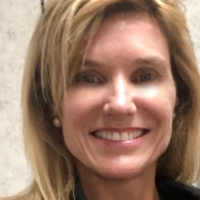
Sharon Link
LCSW
Compassionate, practical therapy for life challenges
- Stress, Anxiety
- Trauma and abuse
- Self esteem
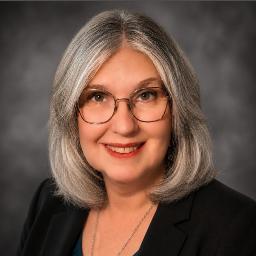
Danielle Williams
LPC
Insightful counselor focused on practical growth
- Stress, Anxiety
- Addictions
- Trauma and abuse

Rixie Morris
LPC
Compassionate, practical therapy with inner-work focus
- Stress, Anxiety
- Trauma and abuse
- Grief

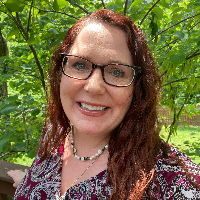




Adam Hewitt
LSCSW, LCSW
Compassionate, practical therapy focused on strengths
- Stress, Anxiety
- Addictions
- Anger

Brandon Thoma
LPC
Practical, person-centered care with Jungian perspective
- Stress, Anxiety
- Relationship
- Anger

David Markowitz
LPC
Experienced counselor blending insight and skills
- Stress, Anxiety
- Trauma and abuse
- Grief

S. Craig Hufford
LPC
Compassionate counselor blending depth and practical tools
- Stress, Anxiety
- Relationship
- Grief

Kathleen (Kathy) Malone
LPC
Compassionate counselor focused on life transitions
- Relationship
- Grief
- Intimacy-related issues

MaryLee Morganfield
LPC
Compassionate counselor blending depth and practical tools
- Stress, Anxiety
- Relationship
- Grief

Natalie Alepin
LPC, LPCC
Experienced counselor guiding practical change
- Stress, Anxiety
- Grief
- Self esteem

Dawn Shelley Wann
LPC, LMHC
Integrative Jungian-informed counselor
- Stress, Anxiety
- Relationship
- Trauma and abuse

Cynthia Rolf
LMFT
Integrative, compassionate therapy for life transitions
- Stress, Anxiety
- Relationship
- Self esteem


Some links on this page are partner links. We will earn a commission if you sign up through one, at no cost to you. It does not change what you pay or the order of the listings.
Overview of online therapy availability in Missouri
What online therapy looks like in the state
Online therapy in Missouri has become a regular option for many people seeking psychological support. You can connect with clinicians from different parts of the state without traveling, and sessions are most often delivered through video calls, phone sessions, or text-based messaging tools offered by a practitioner. The landscape includes clinicians who work from traditional outpatient settings as well as those who base their practice online, and many describe their work using a range of therapeutic approaches. Because state licensure governs the ability to practice in Missouri, the professionals you see in this directory are licensed to work with Missouri clients in the modalities they list. This allows you to focus on approach, areas of focus, and language compatibility rather than the logistics of traveling to an office.
As laws and technology continue to evolve, online care options may change, but the basic elements remain consistent: you can expect scheduled sessions, a therapeutic relationship that follows professional and ethical standards, and a setting that aims to help you explore concerns and goals. Some clinicians frame sessions around psychodynamic, Jungian-informed, cognitive-behavioral, narrative, or somatic approaches. Others list modalities such as EMDR among their approaches. Reading how a therapist describes their work will give you a sense of whether their style might fit what you are looking for.
Benefits of online therapy for Missouri residents
Practical advantages and what they mean for you
Online therapy reduces commute time and makes it easier to fit care around work, family, or school obligations you may have. If you live in a rural part of Missouri where in-person options are limited, teletherapy can broaden the pool of clinicians you can consult. This flexibility can make it simpler to maintain regular sessions, which many people find helpful for steady progress on emotional and behavioral goals.
Beyond convenience, online work can increase your access to clinicians who list specialized approaches or languages that meet your needs. If you prefer a therapist who describes their work in Jungian terms or someone who lists experience working with cultural identity or career transitions, online sessions allow you to connect with someone whose focus aligns with your priorities, regardless of geographic distance within the state. For people with mobility limitations, caregiving responsibilities, or transportation challenges, virtual sessions may remove barriers that once made therapy difficult to pursue.
Common issues online therapists in Missouri help with
How therapists typically describe their focus areas
Online therapists in Missouri commonly work with a broad range of concerns that include mood difficulties, anxiety, relationship struggles, life transitions, grief, and stress-related issues. Many clinicians also describe expertise with identity-related work, such as exploring cultural background, sexuality, or gender, and with workplace or career concerns. You will also find therapists who list approaches aimed at trauma-related symptoms and those who list strategies for coping with chronic health conditions or pain.
When reading profiles, notice whether a clinician frames their work around symptom reduction, personal growth, relational repair, or meaning-making. Some therapists emphasize insight-oriented, Jungian-informed exploration of dreams, symbols, and life narrative, while others emphasize skills-based approaches. Others combine elements from several traditions, and many list EMDR among their approaches. The way a therapist describes their focus will help you judge whether their orientation aligns with what you are hoping to address in sessions.
How to verify a therapist's license in Missouri
Steps you can take to confirm credentials and standing
When you are considering an online therapist, it is reasonable to confirm that the clinician is licensed to practice in Missouri. Start by noting the professional title shown in the therapist profile - for example, psychologist, professional counselor, clinical social worker, or marriage and family therapist. Each title corresponds to a state licensing board or regulatory body. Use the official Missouri government licensing website to search for a practitioner's name or license number, which can verify the license type and whether the license is current.
In addition to confirming licensure, look up any public records related to disciplinary history or consumer alerts on the state site. Licensing pages typically include information on the scope of practice for each license type, renewal dates, and contact information for the board if you have questions. If a therapist lists a professional association membership or academic credentials, you can also verify those separately through the issuing institution, though association membership is different from a state license. Taking these verification steps can give you confidence that the person you are considering meets Missouri's regulatory requirements for their profession.
How to get started and tips for choosing the right online therapist
First contacts, questions to ask, and making a good fit
Starting with online therapy begins with clarifying what you hope to accomplish. Take a moment to reflect on the issues you want to address, whether you prefer shorter-term skills work or longer-term exploratory therapy, and whether factors such as faith background, language, or cultural understanding matter to you. Use these priorities to filter therapist profiles by approach, focus areas, and language. When you find profiles that look promising, reach out with a short message that explains what you are seeking and asks any practical questions you have about how they conduct online sessions.
In your initial conversations, consider asking clinicians how they structure sessions, what a typical early phase of work looks like, and how they approach topics you care about. You might ask whether they integrate Jungian concepts or how they work with dreams and symbolism if those elements are important to you. Because clinicians often describe a mix of approaches in their profiles, asking about how and why they might use particular methods will give you a clearer picture than relying on a single label. Pay attention to how the therapist explains their approach and whether their communication feels respectful and responsive to your concerns.
Choosing the right therapist is as much about connection as it is about credentials. After a few sessions you will have a better sense of whether the working relationship supports the changes you want. If a particular clinician does not feel like a match, it is reasonable to continue searching until you find someone whose style and focus align with your needs. Keep in mind that therapists who list similar approaches can still differ widely in personality, emphasis, and practical methods, so allow yourself the same care in choosing a clinician as you would when selecting other professional services.
Making online therapy work for you in Missouri
Practical considerations and sustaining progress
To get the most out of online therapy, create a comfortable environment for sessions where interruptions are minimized and you can speak freely. Think through what you need to help you engage - for example, using headphones for clearer audio, scheduling sessions at times when you are mentally present, and setting aside time afterwards to process what came up. Online therapy benefits when you treat sessions as a dedicated space for reflection and change rather than a convenience squeezed between other tasks.
Be open with your therapist about what is and is not helpful. If you are pursuing symptom relief, skill development, or deeper personal exploration, communicating goals early on helps the clinician tailor their approach. Over time, monitor whether you notice shifts in mood, relationships, or daily functioning, and bring those observations to sessions. If you need additional supports - such as medication consultation, group work, or community resources - your therapist can often suggest next steps or referrals. By combining careful selection, clear communication, and consistent effort, online therapy can be a meaningful part of your path toward greater well-being in Missouri.