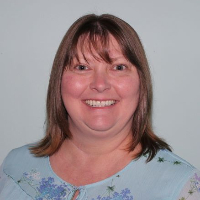
Carol Tallant, LMHC, LPC
Georgia · 15 years in practice
Carol Tallant is a licensed mental health counselor and licensed professional counselor with 15 years of clinical work.
License and registration
- LPC, Georgia
- LPC010449 · expires September 2026
- LMHC, Florida
- MH9803 · expires March 2027
- NPI
- 1285892802 · national provider identifier
- Years in practice
- 15
- Languages
- English
Details are as listed on the therapist's public professional profile. You can check the license with the issuing state board, and the NPI with the national registry.
About Carol
Carol Tallant is a licensed mental health counselor and licensed professional counselor with 15 years of clinical work. She helps people who are overwhelmed by anxiety, depression, trauma, grief, or intense emotions. She also supports those facing relationship and intimacy problems, addiction concerns, parenting stress, and questions about identity and sexuality.
Her style is direct and caring. She listens first and aims to make people feel heard. Sessions focus on understanding where painful reactions come from and finding practical ways to cope day to day.
Background and approach
Carol uses a mix of Jungian ideas and client-centered methods alongside cognitive behavioral techniques and DBT strategies. That means she pays attention to personal meaning, the quality of the therapeutic relationship, and skills for managing emotions and thoughts. She draws on existential thinking when clients are weighing life purpose and major changes.
Her experience includes many years working with survivors of sexual trauma and childhood abuse. That background informs how she recognizes trauma responses and helps people move toward more stable days. Carol also addresses issues like attachment, codependency, dissociation, guilt, and shame.
Sessions are practical and tailored to each person. Carol works with clients to set clear goals, practice new skills, and track small changes. Her aim is to help people feel more connected to themselves and more able to face life’s demands.
Focus areas and approaches
Everything Carol lists on their public professional profile, in their own terms.
- Stress, Anxiety
- LGBT
- Trauma and abuse
- Grief
- Depression
- Addictions
- Relationship issues
- Family conflicts
- Intimacy-related issues
- Parenting issues
- Anger management
- Self esteem
- Career difficulties
- Coping with life changes
- Compassion fatigue
- Abandonment
- Attachment issues
- Codependency
- Communication problems
- Dissociation
- Family of origin issues
- Family problems
- Guilt and shame
- Life purpose
- Mood disorders
- Post-traumatic stress
- Self-harm
- Sexual assault and abuse
- Sexuality
- Women's issues
Approaches Carol names
- Jungian Therapy
- Client-Centered Therapy
- Cognitive Behavioral Therapy (CBT)
- Dialectical Behavior Therapy (DBT)
- Existential Therapy
- Hypnotherapy
- Imago Relationship Therapy
- Mindfulness Therapy
- Motivational Interviewing
- Narrative Therapy
- Psychodynamic Therapy
- Trauma-Focused Therapy
Naming an approach is not evidence of training in it. This directory copies what each therapist lists and does not check training records.
Online support
Approaches that shape online sessions
Jungian ideas focus on meaning, symbolism, and parts of the self that may feel hidden; this can help when someone is trying to understand recurring patterns or a deep sense of not fitting in. Client-centered therapy centers the person’s experience and aims to create a respectful, nonjudgmental space where clients can speak and be heard. Cognitive Behavioral Therapy (CBT) looks at the links between thoughts, feelings, and actions and offers practical ways to change unhelpful patterns through small experiments and skill practice.Deciding which approach to use is a collaborative process. The therapist will talk with the client about goals, what has helped or not helped in the past, and personal preferences. Together they will try methods and adjust the plan so the work fits the client’s needs and pace.
Online sessions are offered by video calls, phone sessions, live chat, or text-based messaging to make therapy more flexible. Video lets people work face to face when that helps, phone calls can be easier when bandwidth is limited, and chat or text sessions suit quick check-ins or ongoing support between meetings. These options make it simpler to fit therapy into work, family life, or a busy schedule while keeping the focus on progress and practical coping skills.
We will earn a commission if you sign up through our link, at no cost to you. It does not change what you pay or the order of the listings.
Questions people ask
What kinds of concerns does Carol address?
She supports people dealing with stress, anxiety, depression, trauma and abuse, grief, addiction, relationship and intimacy issues, parenting strain, and questions about sexuality and identity.
How would you describe her therapeutic style?
Her approach is listening-focused and practical. She combines attention to personal meaning with hands-on skills for managing emotions and upsetting thoughts.
What is her clinical background?
She brings 15 years of experience and has worked extensively with survivors of sexual trauma and childhood abuse.
What credentials and location are on record?
She holds LMHC and LPC credentials and practices with a Georgia location listed.
In what languages are sessions offered?
Sessions are offered in English only and international clients are not currently accepted.
What session formats does she use?
Therapy is available via video calls, phone sessions, live chat, or text-based messaging to suit different needs and schedules.
How does pricing and payment work?
Cost varies with location and therapist availability; sessions are provided through a subscription model that can be canceled at any time.
How do I begin therapy with her?
Start by selecting the Start Therapy button, complete a short matching questionnaire, and then schedule sessions according to therapist availability.
More therapists in Georgia
See all

Kay Ibarra
LPC
Experienced LPC blending depth and practical tools
- Stress, Anxiety
- Self esteem
- Depression
Christy Bell
LPC
Practical, Jungian-informed care for life’s hard moments
- Stress, Anxiety
- Trauma and abuse
- Grief

Is this your profile?
Ask us to correct details or take the page down.
Contact us