
John ODonoghue, LMFT, LCMHC
North Carolina · 27 years in practice
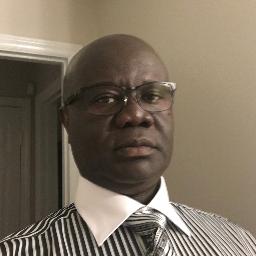
John ODonoghue greets people with a calm, matter-of-fact approach.
License and registration
- LMFT, North Carolina
- 1114 · expires July 2026
- LMFT, California
- 40935 · expires October 2027
- LCMHC, North Carolina
- 8857 · expires June 2027
- NPI
- 1629099189 · national provider identifier
- Years in practice
- 27
- Languages
- English
Details are as listed on the therapist's public professional profile. You can check the license with the issuing state board, and the NPI with the national registry.
About John
John ODonoghue greets people with a calm, matter-of-fact approach. He invites those feeling overwhelmed by stress, anxiety, grief, relationship pain, addiction, or career strain to talk about what is hardest right now. He acknowledges life changes and loss as part of many people’s stories and helps them find clearer choices and greater calm.
He has worked in counseling settings for 27 years and brings that experience to each session. John uses Jungian ideas alongside practical therapies to help people name patterns that repeat in their lives.
Background and approach
Sessions are shaped around what a person needs - whether that is a short-term plan for a specific problem or longer work to understand deeper patterns. John holds the credential Licensed Marriage and Family Therapist and the credential Licensed Clinical Mental Health Counselor. He trained in psychology and counseling psychology at the master’s level.
Those academic and clinical experiences inform a flexible way of working rather than a single method. In practice he combines Acceptance and Commitment Therapy, attachment-focused ways of thinking, client-centered listening, and existential perspectives. That lets him address intimacy issues, infidelity, polyamory and other relationship complexities with curiosity rather than judgment.
He also has a long-standing interest in addiction work and harm reduction approaches. People who choose him can expect straightforward conversation, reflective questions, and practical steps to try between sessions. John aims to help clients notice recurring patterns, make values-based choices, and build steadier emotional footing over time.
Focus areas and approaches
Everything John lists on their public professional profile, in their own terms.
- Stress, Anxiety
- Relationship issues
- Grief
- Self esteem
- Addictions
- Family conflicts
- Trauma and abuse
- Intimacy-related issues
- Anger management
- Career difficulties
- Depression
- Infidelity
- Polyamory / non-monogamous relationships
Approaches John names
- Jungian Therapy
- Acceptance and Commitment Therapy (ACT)
- Attachment-Based Therapy
- Client-Centered Therapy
- Existential Therapy
- Eye Movement Desensitization and Reprocessing (EMDR)
- Imago Relationship Therapy
- Motivational Interviewing
- Psychodynamic Therapy
Naming an approach is not evidence of training in it. This directory copies what each therapist lists and does not check training records.
Online support
Therapeutic approaches and how they work online
Jungian Therapy looks at symbols, dreams, and repeating life patterns to help people understand deeper parts of themselves; it can be useful for people wanting insight into long-standing habits and inner conflicts. Acceptance and Commitment Therapy, or ACT, helps people clarify what matters to them and take action aligned with those values while learning to sit with difficult thoughts and feelings. Attachment-Based Therapy focuses on how early bonding shapes current relationship patterns and is helpful for intimacy, trust, and family-related concerns.Finding the right mix of approaches is a collaborative process. The therapist will listen to your goals, try an approach, and adjust as needed. That means sessions can shift between insight-oriented work and short-term problem solving based on what helps you make progress.
Online sessions are offered by video calls, phone, live chat, or text-based messaging. Video works well for deeper conversations and shared visual cues. Phone sessions can be easier when bandwidth is limited or a less visual option is preferred. Live chat and text messaging are useful for brief check-ins, coping tools between sessions, or people who prefer typing to speaking. These options make therapy more flexible for work schedules, travel, and different comfort levels with distance care.
We will earn a commission if you sign up through our link, at no cost to you. It does not change what you pay or the order of the listings.
Questions people ask
What kinds of problems does John address?
He works with stress, anxiety, depression, relationship and intimacy issues, grief, addictions, anger, career concerns, trauma and family conflict. He also focuses on infidelity and non-monogamous relationship questions.
How would you describe his therapy style?
He combines Jungian perspective with client-centered listening and practical methods like Acceptance and Commitment Therapy. Sessions aim to clarify patterns and guide small, values-based steps.
How much clinical experience does he have?
He brings 27 years of experience working in a variety of counseling settings. That span includes work with addiction programs and workplace counseling.
What credentials does he hold and where is he based?
He holds LMFT and LCMHC credentials and practices from North Carolina. The profile lists Licensed Marriage and Family Therapist and Licensed Clinical Mental Health Counselor.
In which languages can you speak with him?
Sessions are offered in English. International clients are accepted for therapy.
What formats are available for sessions?
He offers video calls, phone sessions, live chat, and text-based messaging. Different formats can suit quick check-ins, longer conversations, or people who prefer not to be on camera.
How are fees and subscriptions handled?
Cost varies with location and therapist availability. Sessions use a subscription model that can be canceled at any time.
What steps do I take to begin working with him?
Start by selecting the Start Therapy button and completing a short matching questionnaire. Then schedule sessions according to the therapist's availability.
More therapists in North Carolina
See allDr. Agyenim Akuamoah-Boateng
LCMHC
Experienced counselor focused on recovery and meaning
- Stress, Anxiety
- Addictions
- Trauma and abuse


Brandi Geddings
LCMHC
Compassionate, practical counseling for life’s hard moments
- Stress, Anxiety
- Anger
- Self esteem

Is this your profile?
Ask us to correct details or take the page down.
Contact us