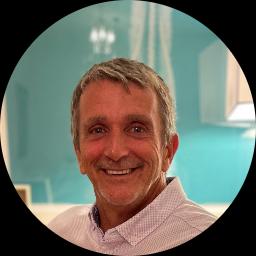
Christian Cannon, LMHC
Florida · 15 years in practice
Christian Cannon is a Licensed Mental Health Counselor (LMHC) practicing in Florida with 15 years of experience.
License and registration
- LMHC, Florida
- MH17259 · expires March 2027
- NPI
- 1144851163 · national provider identifier
- Years in practice
- 15
- Languages
- English
Details are as listed on the therapist's public professional profile. You can check the license with the issuing state board, and the NPI with the national registry.
About Christian
Christian Cannon is a Licensed Mental Health Counselor (LMHC) practicing in Florida with 15 years of experience. He helps people who are overwhelmed by stress, anxiety, addictions, trauma, anger, or depression. He aims to make the first step toward change less daunting by offering steady support during the process.
Christian creates a calm space where people can talk through difficult feelings without judgment. He listens closely and focuses on what each person brings to the room.
Background and approach
Sessions are meant to be practical and down-to-earth so clients can use what they learn in daily life. He draws from Jungian therapy to look at personal meaning, symbolism, and inner patterns that affect mood and behavior. He also uses approaches like Acceptance and Commitment Therapy and Cognitive Behavioral Therapy to address thoughts, actions, and values in concrete ways.
These tools are combined to match each person’s needs rather than following a single script. Christian has worked with people facing a range of challenges, including substance use and relapse prevention, trauma related to abuse, anger management, bipolar-related concerns, and coping with life changes. He also helps with relational and behavioral issues such as codependency, communication problems, and impulsivity.
Work typically focuses on clear goals and small steps toward change. People who want a practical, thoughtful counselor who blends meaning-focused and skills-based approaches may find his style a good fit.
Focus areas and approaches
Everything Christian lists on their public professional profile, in their own terms.
- Stress, Anxiety
- Addictions
- Trauma and abuse
- Anger management
- Depression
- Abandonment
- Antisocial personality
- Codependency
- Communication problems
- Control issues
- Coping with natural or human-caused disaster
- Domestic violence
- Drug and alcohol addiction
- Eating and food-related issues
- Family problems
- Fatherhood issues
- Forgiveness
- Guilt and shame
- Impulsivity
- Infidelity
- Isolation / loneliness
- Jealousy
- Life purpose
- Men's issues
- Midlife crisis
- Veteran and Armed Forces Issues
- Mood disorders
- Narcissism
- Panic disorder and panic attacks
- Personality disorders
- Phobias
- Post-traumatic stress
- Process addiction (porn, exercise, gambling)
- Self-love
- Sex addiction
- Social anxiety and phobia
Approaches Christian names
- Jungian Therapy
- Acceptance and Commitment Therapy (ACT)
- Client-Centered Therapy
- Cognitive Behavioral Therapy (CBT)
- Dialectical Behavior Therapy (DBT)
- Emotionally-Focused Therapy (EFT)
- Mindfulness Therapy
- Motivational Interviewing
- Solution-Focused Therapy
- Trauma-Focused Therapy
Naming an approach is not evidence of training in it. This directory copies what each therapist lists and does not check training records.
Online support
Combining Jungian ideas and practical therapies online
Christian uses Jungian therapy to help people notice patterns, symbols, and personal meaning that show up in dreams, relationships, and life choices. That work can be useful for people wanting to understand why certain feelings recur or to explore deeper personal themes.He also uses Acceptance and Commitment Therapy (ACT) to help people notice thoughts and emotions without getting stuck, then commit to actions that match their values. Cognitive Behavioral Therapy (CBT) is used to identify unhelpful thoughts and try new behaviors to reduce symptoms like anxiety or low mood. These approaches suit problems such as stress, anxiety, addictions, and depression by combining insight with concrete skills.
Choosing an approach is a collaborative process. The therapist will talk with each person about goals, preferences, and what feels most helpful, then adjust methods over time. This makes sessions more relevant and easier to use in day-to-day life.
Online formats include video calls, phone sessions, live chat, and text-based messaging. Video sessions let people work face to face when schedules or distance make in-person visits hard. Phone sessions can fit a short break or require less bandwidth. Live chat and messaging work well for quick check-ins, homework support, or when someone prefers not to be on camera. These options make it easier to keep continuity and adapt therapy to each person’s routine.
We will earn a commission if you sign up through our link, at no cost to you. It does not change what you pay or the order of the listings.
Questions people ask
What concerns does Christian commonly address?
He helps people with stress, anxiety, addictions, trauma and abuse, anger, and depression, plus related areas like codependency, communication problems, and impulsivity.
What is his therapeutic style like?
His approach combines meaning-focused work and practical skills. Sessions are straightforward, with listening, reflection, and concrete strategies to try between meetings.
What is his background and experience?
Christian has 15 years of professional experience in behavioral health settings working with a wide range of concerns related to mood, trauma, and substance use.
What credential does he hold and where is he located?
He is a Licensed Mental Health Counselor (LMHC) licensed in Florida and practices from that state.
Can I have sessions in a language other than English?
Sessions are offered in English only and international clients are not currently accepted.
How are sessions delivered?
Christian offers video calls, phone sessions, live chat, and text-based messaging to provide different ways to connect based on what works best for the person.
How does payment and cost work?
Cost varies with location and therapist availability and services are provided through a subscription model that can be canceled at any time.
What steps start the process of working together?
Begin by selecting the Start Therapy button, complete a short matching questionnaire, and then schedule sessions according to the therapist's availability.
More therapists in Florida
See allLinda Losi
LCSW
Experienced therapist blending insight and practical tools
- Stress, Anxiety
- Addictions
- LGBT
Pamela Johnson
LCSW
Experienced LCSW blending Jungian and practical methods
- Stress, Anxiety
- Addictions
- Trauma and abuse

Faryal Choudry
LCSW
Calm, practical support for everyday struggles
- Stress, Anxiety
- Addictions
- Relationship

Bonnie Christensen
LMHC
Compassionate guidance for worn-out, responsible people
- Stress, Anxiety
- Relationship
- Grief

Is this your profile?
Ask us to correct details or take the page down.
Contact us