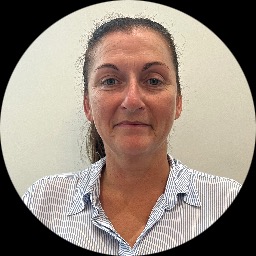
Brenda Atkinson
LCSW, CSW
Seasoned LCSW guiding emotional growth and life transitions
- Stress, Anxiety
- Relationship
- Family
Clinical social work directory
502 therapists list phobias among the things they work with. All offer sessions online, and every profile shows the registering body, the membership number and when it runs to.
Explore profiles of therapists who focus on phobias and fear-related challenges. Use the listings below to review approaches, credentials, languages and areas of experience. Browse to identify practitioners whose methods and background align with what you want.
LCSW, CSW
Seasoned LCSW guiding emotional growth and life transitions
LCMHC
Experienced counselor focused on recovery and meaning
BACP
Calm, practical psychotherapy for difficult moments
BACP
Calm, practical counselling for everyday challenges
NCPS
Gentle, practical therapy for life changes
LCSW
Compassionate trauma-informed therapy for recovery
BACP
Practical, down-to-earth counselling online
LCSW
Therapist blending meaning and practical skills
NCPS
Gentle, collaborative Jungian-informed counsellor
BACP
Compassionate counsellor blending depth and practical tools
BACP, NCPS
Empathic counsellor blending Jungian insight and practical skills
LCSW
Supportive LCSW blending meaning and practice
NCPS
Compassionate counsellor helping people find practical change
LCSW
Practical, respectful therapy for life turning points
LPC
Therapist focusing on deeper meaning and everyday change
BACP
Experienced Jungian-informed counsellor
LPA-IP
Compassionate, practical therapy for life transitions
LMHC
Compassionate guidance for worn-out, responsible people
LMSW
Jungian-informed therapist focused on practical change
BACP
Calm, relational therapy with Jungian insight
NCPS
Practical, person-centred therapy with depth
BACP
Compassionate counselling with practical direction
BACP
Compassionate, integrative counselling for life changes
LPC
Warm, adaptable counselor focused on practical change
ACA
Straightforward counselling for life’s difficult moments
LPC, LPCC
Compassionate counselor focused on grief and coping
BACP
Compassionate Jungian-informed counsellor
BACP
Experienced counsellor with 40 years' practice
BACP
Guide for meaning making and practical change
LPC
Compassionate counselor focused on practical change
NCPS
Therapist blending insight and practical tools
BACP
Compassionate therapy blending insight and practical tools
LPC
Guided depth work with practical tools
BACP
Experienced integrative counsellor for life changes
NCPS
Calm, relational counselling for life’s challenges
Some links on this page are partner links. We will earn a commission if you sign up through one, at no cost to you. It does not change what you pay or the order of the listings.
Phobias are intense, persistent fears of specific objects, situations or activities that most people consider safe. You might experience a racing heart, breathlessness, sweating or an overwhelming urge to escape when faced with the feared trigger. Over time avoidance can become a major pattern, shaping choices about work, travel and relationships. For some people the fear feels out of proportion to actual danger, yet it is nonetheless real and disruptive.
Phobias vary in focus. Some are specific - such as fear of heights, spiders or flying - while others involve social situations or a broader category of situational anxieties. The emotional response often includes anticipatory worry - a heightened fear before even encountering the trigger - which can lead you to limit activities or create logistical hurdles in your life. Understanding the nature of the fear can be the first step toward practical change, because phobias tend to involve learned responses that can be addressed through focused therapeutic work.
If fear or avoidance interferes with your ability to do things you value, you may find therapy helpful. You might notice that you rearrange plans to avoid particular situations, that you feel persistent anxiety in anticipation of encountering a trigger, or that physical symptoms - like trembling or nausea - occur regularly in response to feared stimuli. Sometimes loved ones encourage you to seek help because they see the ways avoidance restricts your life. Other times you recognize the pattern yourself and want tools to manage fear more effectively.
Therapy can be appropriate whether your worry is moderate or intense. You do not need to wait for a crisis to reach out. Many people seek support when they want to reduce the grip that fear has on daily choices or when avoidance prevents important goals. Therapy can help you learn new responses to triggers, reduce the intensity of panic-like reactions, and rebuild confidence in situations you currently avoid.
Early sessions typically begin with an exploration of what you fear, how the fear developed, and how it impacts your life. Your therapist will ask about patterns of avoidance, physical symptoms, and your emotional history to form a picture of how the phobia functions for you. This is a collaborative process in which you and the therapist identify goals and decide on an approach that fits your preferences and comfort level. You can expect an emphasis on practical steps and gradual progress rather than quick fixes.
Therapy commonly combines learning new coping skills with opportunities to face feared stimuli in a controlled way. Sessions often include training in breathing, grounding or cognitive strategies that reduce immediate panic, followed by planned exercises to help you experience the trigger in smaller, manageable steps. These exercises are designed to help you notice that the feared outcomes are less likely or less catastrophic than your mind predicts. Over time repeated practice can weaken the automatic fear response and expand the situations you can tolerate.
Therapy for phobias usually involves regular check-ins to review progress and adjust strategies. If a particular method feels overwhelming or ineffective, your therapist should offer alternatives or slow the pace. You will work together to translate gains made in sessions into everyday life, so that new skills generalize beyond the therapy room. Many people find that building a sense of mastery over small challenges leads to broader confidence and reduced avoidance.
Several approaches are commonly used to address phobias, and therapists often tailor methods to the individual. Exposure-based work is a central element in many approaches because it provides a direct way to reduce avoidance and test feared predictions. Some therapists describe exposure as part of a cognitive-behavioral framework, while others integrate exposure into a broader therapeutic model. You are likely to encounter therapists who list cognitive-behavioral approaches among their methods, which focus on identifying and gently challenging the thoughts that feed fear.
Other clinicians may include somatic or mindfulness-oriented practices to help you manage the bodily sensations that accompany intense anxiety. You may find therapists who list acceptance-based strategies among their approaches, which emphasize changing your relationship to fear rather than trying to eliminate it instantly. Additionally, some profiles note EMDR as an approach; therapists who list EMDR among their approaches may use its protocols for trauma-related or strongly distressing memories connected to a phobia. When exploring listings, look for descriptions that explain how the therapist combines learning skills, exposure exercises and emotional processing to create an individualized plan.
Online therapy can be a practical option when addressing phobias, especially when the modality fits the nature of the fear and your personal preferences. You can meet with a therapist by video, phone or text-based messaging to learn coping skills, plan exposure exercises and review progress. For some fears, online sessions allow you to conduct real-time practice in your own environment - for example, approaching a feared object at home while the clinician guides you. This can make exposure feel more directly relevant to everyday life.
It is helpful to prepare for online work by identifying how you will create a comfortable setting and managing any technical requirements. You will want a quiet place for sessions and a plan for safety if exposure exercises provoke strong reactions. Therapists who list online work among their methods often describe how they tailor exercises to remote sessions, including using in-session demonstrations, virtual reality tools when appropriate, or homework tasks that you do between meetings. Ultimately online therapy aims to combine flexibility with structured practice so you can make meaningful changes without unnecessary logistical barriers.
When searching within the directory, focus on several practical match points. Read profiles to identify therapists who list approaches that resonate with you, such as cognitive-behavioral exposure work, mindfulness-informed strategies or other methods you prefer. Consider credentials, years of experience and languages spoken to ensure communication will be comfortable. Pay attention to how therapists describe their work with phobias - some emphasize stepwise exposure, others highlight skills training or integration with broader emotional work. These descriptions can give you a sense of whether their style matches what you want.
It is also useful to reflect on your personal preferences for session pace, level of structure and whether you prefer more directive coaching or an exploratory style. Some people want a practical, exercise-driven plan while others seek a gentler approach that addresses underlying emotional themes alongside exposure. If you plan to pursue online sessions, look for descriptions that explain how the therapist adapts exercises for remote formats and how they structure between-session practice. Taking time to match on method, language and approach can help you find a working relationship that supports steady progress in managing phobias.