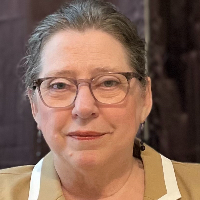
Brenda Atkinson
LCSW, CSW
Seasoned LCSW guiding emotional growth and life transitions
- Stress, Anxiety
- Relationship
- Family
Clinical social work directory
915 therapists list forgiveness among the things they work with. All offer sessions online, and every profile shows the registering body, the membership number and when it runs to.
Browse profiles of therapists who list forgiveness among their specialties to learn about different approaches and practitioner backgrounds. Use the listings below to compare therapy styles, credentials, languages, and experience as you search for a strong clinical match.
LCSW, CSW
Seasoned LCSW guiding emotional growth and life transitions
LCMHC
Experienced counselor focused on recovery and meaning
BACP
Calm, practical psychotherapy for difficult moments
BACP
Calm, practical counselling for everyday challenges
BACP, NCPS
Thoughtful counsellor focusing on inner patterns
NCPS
Gentle, practical therapy for life changes
LPC
Insightful counselor blending reflection and practical tools
LCSW
Compassionate trauma-informed therapy for recovery
LCPC
Practical, compassionate therapy for everyday change
BACP
Experienced counsellor blending depth and practical help
LPC
Practical, steady support for life’s hard moments
LMFT
Helping people find balance through thoughtful therapy
BACP
Practical, down-to-earth counselling online
BACP
Experienced therapist blending depth and practical skills
LCSW
Therapist blending meaning and practical skills
LCSW
Experienced LCSW blending practical skills and depth
NCPS
Gentle, collaborative Jungian-informed counsellor
LCSW
Experienced LCSW blending Jungian and practical methods
BACP
Compassionate counsellor blending depth and practical tools
LPC
Compassionate counselor who uses creativity and Jungian ideas
BACP, NCPS
Empathic counsellor blending Jungian insight and practical skills
LCSW
Calm, practical support for everyday struggles
LCSW
Supportive LCSW blending meaning and practice
AZ Psychologist
Depth-oriented psychologist for life transitions
NCPS
Compassionate counsellor helping people find practical change
BACP
Meaningful exploration with practical tools
LPC
Therapist blending Jungian insight and practical skills
LCSW
Practical, respectful therapy for life turning points
LPC
Therapist focusing on deeper meaning and everyday change
BACP
Experienced Jungian-informed counsellor
BACP
Experienced counsellor blending insight and action
LMHC
Compassionate guidance for worn-out, responsible people
LMSW
Jungian-informed therapist focused on practical change
LPC
Compassionate counseling grounded in practical tools
Some links on this page are partner links. We will earn a commission if you sign up through one, at no cost to you. It does not change what you pay or the order of the listings.
Forgiveness is a complex process that touches your emotions, your relationships, and the stories you tell about yourself. For some people forgiveness brings relief from long-standing anger; for others it raises questions about boundaries, justice, and identity. You might find that forgiving someone does not mean excusing harm. Instead, it can be a way to change how you carry the experience - how much space it occupies in your daily life and how it shapes your expectations of others.
When hurt accumulates, it can influence how you relate to the world, lowering trust and increasing vigilance. Anger and resentment can coexist with sadness, grief, and a sense of loss for what you expected from a relationship. You may notice physical tension, recurring memories, or a reluctance to form close bonds. Understanding forgiveness starts with recognizing these layered reactions and accepting that different people move through them at different speeds and in different ways.
You may consider therapy for forgiveness when anger or hurt continues to interfere with daily life, relationships, or your sense of well-being. If you find that a past offense frequently interrupts your concentration, triggers arguments, or leads to avoidance of people or places, therapy can offer tools to examine those patterns. You might also be struggling with guilt after deciding to forgive, or feeling pressure from others to "just forgive." Therapy helps you explore whether forgiveness is a personal choice for your own healing or a social expectation that feels premature.
Other signs include recurring intrusive thoughts about the offense, difficulty trusting new people, or somatic symptoms such as sleep disruption and muscle tension related to unresolved hurt. You might also notice a cycling of reconciliation attempts and renewed anger, indicating that underlying needs and boundaries have not been clearly addressed. If you are questioning how forgiveness fits with accountability, or if you are managing a relationship where harm remains ongoing, a therapist can help you weigh options while honoring your values and safety.
Therapy for forgiveness is often a gradual exploration rather than a single event. Early sessions typically focus on your story: what happened, how it affected you, and what you want now. Your therapist will invite you to describe both the incident and its ripple effects across time - how it shaped your self-concept, relationships, and emotional life. You will work to separate the facts of the event from the meanings you have attached to it, which can open space for new understandings.
Sessions commonly include attention to emotional regulation so you can tolerate difficult feelings without becoming overwhelmed. You may engage in exercises that help you identify and name emotions, track triggers, and develop strategies to interrupt reactive cycles. Over time, the work can move toward shifting your relationship to the past - not by erasing it but by reducing the intensity of its hold. Therapists often support you in creating boundaries and making intentional choices about contact, reconciliation, or distance based on your needs rather than on guilt or obligation.
The length of work varies with the complexity of the hurt and the goals you set. Some people gain significant relief in a few months, while others work on forgiveness themes as part of longer-term therapy that addresses intergenerational patterns, trauma, or ongoing relationship dynamics. Progress is often uneven, with steps forward and occasional setbacks, and a skilled therapist will help you plan concrete practices to integrate between sessions.
Therapists use a range of approaches to support forgiveness, and those listed in profiles reflect what practitioners bring into sessions. You may find therapists who list psychodynamic or Jungian approaches, which explore the symbolic meanings of hurt, recurring relationship patterns, and how early attachments shape responses to betrayal. This work can help you uncover unconscious drivers that maintain resentment and identify the roles you play in repeating cycles.
Cognitive-behavioral frameworks often focus on shifting unhelpful thoughts and behaviors that sustain anger. In that context, therapists who list cognitive-behavioral approaches may guide you through reframing exercises, behavioral experiments, and exposure to memories in a paced way. Therapists who list emotion-focused modalities may help you access and process raw feelings so that emotional releases and new narratives can emerge.
You may also see therapists who list mindfulness-based and compassion-oriented approaches among their methods. These approaches emphasize present-moment awareness, acceptance of difficult emotions, and practices that cultivate self-compassion and empathy. If trauma is a component of the harm you experienced, some therapists list trauma-informed approaches or therapies such as those that integrate body-based techniques. Remember that a listing of an approach does not imply formal certification; it indicates the strategies a therapist is likely to use in session.
Online therapy extends access to forgiveness-focused work through video, phone, or messaging formats, and many therapists who list forgiveness as a specialty provide virtual services. You can have deep reflective conversations from your home or another comfortable environment, which may make it easier to access emotions that feel too risky to reveal in public. Online sessions can also help if you are exploring forgiveness across geographical distance from a therapist who shares your language or cultural perspective.
In an online setting, the therapeutic frame is similar to in-person care: you and your therapist agree on goals, frequency, and how you will handle difficult moments between sessions. Some people appreciate the convenience of shorter check-ins or the ability to schedule sessions around life responsibilities, while others prefer longer, uninterrupted time to process emotions. It is important to discuss with a prospective therapist how they handle safety planning, emergency contacts, and boundaries in virtual work, so you know what support looks like if strong reactions arise.
When you are deciding which therapist to contact, look beyond single labels and read how they describe their approach to forgiveness and related themes such as trauma, grief, or relationship repair. Consider whether you want a therapist who emphasizes emotional processing, narrative exploration, practical coping skills, or a blend of these elements. Language and cultural sensitivity also matter. If you prefer to work in a language other than English, search for therapists who list that language in their profiles. If cultural background or spiritual perspective is important to you, note how therapists describe their experience working with particular communities.
Pay attention to practical fit as well - how a therapist explains their typical session structure, how they describe boundaries around contact, and whether their stated approach resonates with your values. Some people prioritize a therapist who frames forgiveness around self-compassion and boundary-setting, while others seek practitioners who focus on accountability and restoration of trust. You can learn a lot from short introductory pages and practitioner statements about how they conceptualize healing from hurt.
Ultimately, therapy for forgiveness is a collaborative journey. You bring the lived experience and the preferences that will shape the work, and a therapist offers perspectives, tools, and a steadying presence as you move through it. Take time to read profiles, reflect on what matters most to you, and choose a professional whose approach feels aligned with your goals for healing and relational change.