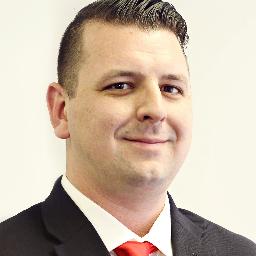
George Brassea, LCPC
Illinois · 9 years in practice
George Brassea is a licensed clinical professional counselor (LCPC) who blends depth work with practical insight.
License and registration
- LCPC, Illinois
- 180011327 · expires March 2027
- NPI
- 1528420213 · national provider identifier
- Years in practice
- 9
- Languages
- English
Details are as listed on the therapist's public professional profile. You can check the license with the issuing state board, and the NPI with the national registry.
About George
George Brassea is a licensed clinical professional counselor (LCPC) who blends depth work with practical insight. He uses close listening and clear questions to help people understand patterns that repeat in their lives. Sessions are direct but warm, and he invites honest conversation about relationships, identity, loss, and life purpose.
He often looks at how early family experiences shape present behavior. That can mean talking about routines, sleep, attachments, or the hard topics people avoid.
Background and approach
He brings nine years of clinical experience and an unusual business background - an MBA - which informs how he thinks about career and life systems. George draws on Jungian ideas about inner life and symbols alongside attachment-focused work that tracks how people connect.
He also uses client-centered techniques to follow what the person brings and cognitive tools when people need practical shifts. The mix is meant to fit the person in front of him rather than force a single method. Common concerns he addresses include stress, anxiety, depression, grief, self-esteem, addiction, and relationship struggles.
He also works with specific issues like attachment wounds, body image, caregiver stress, blended family challenges, and alternative sex culture topics such as BDSM and kink. Conversations can include direct feedback, reflective questions, and concrete steps to try between sessions. George aims to help people build clearer choices, steadier relationships, and a stronger sense of themselves.
Focus areas and approaches
Everything George lists on their public professional profile, in their own terms.
- Stress, Anxiety
- LGBT
- Grief
- Self esteem
- Depression
- Addictions
- Relationship issues
- Family conflicts
- Trauma and abuse
- Intimacy-related issues
- Anger management
- Career difficulties
- Coaching
- Abandonment
- Attachment issues
- BDSM, kink, and alternative sex culture
- Blended family issues
- Body image
- Caregiver issues and stress
- Chronic pain, illness, and disability
- Co-morbidity
- Codependency
- Commitment issues
- Communication problems
- Control issues
- Divorce and separation
- Emptiness
- First responder issues
- Forgiveness
- Guilt and shame
- Impulsivity
- Isolation / loneliness
- Life purpose
- Men's issues
- Midlife crisis
- Veteran and Armed Forces Issues
- Money and financial issues
- Mood disorders
- Multicultural concerns
- Narcissism
- Obsessions, compulsions, and OCD
- Panic disorder and panic attacks
- Polyamory / non-monogamous relationships
- Post-traumatic stress
- Seasonal Affective Disorder (SAD)
- Self-love
- Sexuality
- Social anxiety and phobia
- Somatization
- Traumatic brain injury
- Women's issues
- Workplace issues
- Young adult issues
Approaches George names
- Jungian Therapy
- Attachment-Based Therapy
- Client-Centered Therapy
- Cognitive Behavioral Therapy (CBT)
- Existential Therapy
- Motivational Interviewing
- Narrative Therapy
- Psychodynamic Therapy
- Solution-Focused Therapy
Naming an approach is not evidence of training in it. This directory copies what each therapist lists and does not check training records.
Online support
Therapeutic approaches online and what they look like
Jungian Therapy focuses on inner themes, symbols, and personal meaning. Online sessions might involve talking through dreams, recurring images, or life transitions to uncover deeper motivations and patterns.Attachment-Based Therapy looks at how early bonds influence current relationships and emotion regulation. In remote work this often means mapping how people relate to partners, friends, and caregivers and practicing new ways of connecting and communicating.
Finding the right approach is part of the work. The therapist will collaborate with the client to decide whether depth exploration, attachment work, or more directive cognitive strategies fit best. Goals, preferences, and day-to-day needs guide that choice rather than a fixed method.
Online formats include video calls, phone sessions, live chat, and text-based messaging, which let people match the format to their life. Video is good for face-to-face conversation and reading nonverbal cues. Phone calls can fit a lunch break or low-bandwidth situation. Live chat and text messaging support quick check-ins, processing between sessions, or a way to communicate when typing feels easier. These options offer flexibility for different schedules and rhythms while keeping therapy focused on progress and practical change.
We will earn a commission if you sign up through our link, at no cost to you. It does not change what you pay or the order of the listings.
Questions people ask
What concerns does George commonly address?
He helps with stress, anxiety, depression, grief, self-esteem, addictions, relationship and intimacy issues, and career or coaching concerns.
How would you describe his therapeutic style?
He blends Jungian exploration of inner life with attachment-focused work and client-centered listening, adding cognitive strategies when practical changes are needed.
What is his professional background and experience?
He has nine years of clinical experience and an MBA, which he uses to inform thinking about work, systems, and life choices.
Where is he licensed and based?
He is a licensed clinical professional counselor - LCPC - practicing in Illinois.
Which languages are sessions offered in?
Sessions are offered in English.
What session formats are available?
Sessions can be scheduled as video calls, phone sessions, live chat, or text-based messaging.
How does payment and cost work?
Cost varies with location and therapist availability; sessions use a subscription that can be canceled at any time.
How do I begin working with him?
Start by selecting the Start Therapy button, complete the short matching questionnaire, and then schedule sessions according to therapist availability.
More therapists in Illinois
See allMaria "Patti" Lorenzo
LCPC
Practical, compassionate therapy for everyday change
- Trauma and abuse
- Self esteem
- Coping with life changes


Dr. Akamin Nkengaka
LCSW
Therapist blending meaning and practical skills
- Stress, Anxiety
- Addictions
- Trauma and abuse

Erica Gilmore
LCPC
Supportive counselor focused on meaning and practical change
- Stress, Anxiety
- Addictions
- Trauma and abuse

Is this your profile?
Ask us to correct details or take the page down.
Contact us