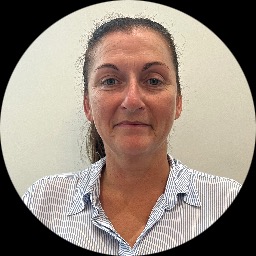
Brenda Atkinson
LCSW, CSW
Seasoned LCSW guiding emotional growth and life transitions
- Stress, Anxiety
- Relationship
- Family
Clinical social work directory
608 therapists list obsession among the things they work with. All offer sessions online, and every profile shows the registering body, the membership number and when it runs to.
On this page you will find therapists who list approaches for treating obsession and intrusive thoughts. Browse the profiles below to compare approaches, credentials, languages and therapeutic focus areas to find a therapist who matches your needs.
LCSW, CSW
Seasoned LCSW guiding emotional growth and life transitions
LCMHC
Experienced counselor focused on recovery and meaning
BACP
Calm, practical psychotherapy for difficult moments
BACP
Calm, practical counselling for everyday challenges
NCPS
Collaborative counsellor offering Jungian-informed care
NCPS
Gentle, practical therapy for life changes
LCSW
Compassionate trauma-informed therapy for recovery
LCPC
Practical, compassionate therapy for everyday change
BACP
Experienced counsellor blending depth and practical help
LPC
Practical, steady support for life’s hard moments
BACP
Practical, down-to-earth counselling online
LCSW
Therapist blending meaning and practical skills
LCSW
Experienced LCSW blending practical skills and depth
NCPS
Gentle, collaborative Jungian-informed counsellor
BACP
Compassionate counsellor blending depth and practical tools
LPC
Compassionate counselor who uses creativity and Jungian ideas
BACP, NCPS
Empathic counsellor blending Jungian insight and practical skills
LCSW
Calm, practical support for everyday struggles
LCSW
Practical, respectful therapy for life turning points
LPC
Therapist focusing on deeper meaning and everyday change
BACP
Experienced Jungian-informed counsellor
BACP
Experienced counsellor blending insight and action
LMHC
Compassionate guidance for worn-out, responsible people
LMSW
Jungian-informed therapist focused on practical change
BACP
Calm, relational therapy with Jungian insight
BACP
Compassionate relational counselling for lasting change
NCPS
Practical, person-centred therapy with depth
BACP
Compassionate counselling with practical direction
NCPS
Integrative counsellor focusing on relationships
BACP
Compassionate, integrative counselling for life changes
LPC
Warm, adaptable counselor focused on practical change
ACA
Straightforward counselling for life’s difficult moments
NCPS
Compassionate, Jungian-informed counsellor
LPC
Guiding people to clearer meaning and practical change
LPC, LPCC
Compassionate counselor focused on grief and coping
Some links on this page are partner links. We will earn a commission if you sign up through one, at no cost to you. It does not change what you pay or the order of the listings.
Obsession often shows up as persistent, unwanted thoughts, images or urges that repeat in your mind even when you do not want them. These intrusions can focus on many themes - fear of harm, doubt about actions, moral worries, worrying about relationships, or repetitive mental rituals. For some people these thoughts feel like a flood that interrupts daily life; for others they take the form of a nagging loop that saps energy and focus. Over time the mental effort of trying to push thoughts away, check repeatedly, or perform internal rituals can increase anxiety, reduce concentration, and make routine tasks feel burdensome.
The emotional toll of obsession is not limited to anxiety. You might feel shame, confusion, or a sense of being controlled by your own mind. Obsession can co-occur with avoidance behavior, compulsive checking, or prolonged rumination. It may influence sleep, work or relationships, and leave you feeling exhausted. Understanding that these experiences are common and that there are therapeutic approaches aimed at reducing the frequency and intensity of intrusive thoughts can be an important first step toward reclaiming daily functioning and emotional balance.
Deciding whether to seek therapy often starts with noticing how intrusive thoughts affect your quality of life. If you find yourself spending significant time trying to neutralize or control thoughts, performing repetitive mental or behavioral actions, or avoiding people or situations because of fear that a thought will become reality, therapy may help. You may also benefit from therapy if intrusive thoughts are accompanied by intense distress, persistent worry, or difficulty completing routine tasks at work or home.
Other indicators include sleeplessness tied to repetitive thinking, strained relationships due to misunderstandings about your behaviors, or a growing pattern of self-criticism related to the content of your thoughts. Even if your experience does not fit a specific diagnostic label, therapy can offer strategies to reduce the grip of obsessional thinking and to build more flexible ways of responding when intrusive content appears.
When you begin therapy for obsession, the initial sessions typically focus on assessment and building a working relationship. Your therapist will want to understand the themes of your intrusive thoughts, the ways you respond to them, and how those responses affect your daily life. You can expect a collaborative conversation about your goals and about strategies that may be most relevant to your experience.
Early work in sessions often involves learning to observe thoughts with less reactivity and identifying patterns that maintain distress. Therapists commonly teach practical skills you can use between sessions, such as experiments with resisting neutralizing behaviors or practicing alternative responses to urges. Over time you may practice approaching situations you have been avoiding or deliberately changing how you relate to a thought so it carries less emotional weight. Progress is typically gradual; therapists aim to help you gain more control over how obsession affects your choices and functioning rather than promising immediate elimination of all intrusive content.
Therapists use a range of approaches when working with obsession, and many clinicians list several methods among their approaches. Cognitive behavioral strategies, especially exposure with response prevention - often called ERP in clinical descriptions - focus on facing feared situations or thoughts and refraining from neutralizing responses so that anxiety decreases over time. You may find therapists who list ERP among their approaches, and sessions that emphasize gradual practice and coaching through challenging exposures.
Other clinicians describe cognitive therapies that explore the beliefs and meanings attached to intrusive thoughts, helping you reframe interpretations that fuel compulsive responses. Acceptance-based approaches place emphasis on changing your relationship to thoughts - noticing them without trying to push them away and choosing actions aligned with your values despite discomfort. Mindfulness-informed methods train attention and nonjudgmental awareness, which can reduce the tendency to react automatically to intrusive content.
Psychodynamic and Jungian perspectives, which you may see referenced on this site, often explore the personal and symbolic significance of recurrent thoughts and patterns. These approaches can be useful for understanding deeper psychological themes and longstanding relational patterns that interact with obsessional thinking. Some therapists also mention integrative strategies that combine elements from different traditions. When reviewing profiles, note language such as therapists who list EMDR, mindfulness, cognitive behavioral work, or psychodynamic approaches among their approaches - these phrases indicate the modalities a clinician mentions rather than proof of specific credentials in a method.
Online therapy can make it easier to connect with clinicians who list approaches relevant to obsession, especially if specialists are not nearby. You can expect sessions to be conducted by video or phone in a format similar to in-person meetings. Many people find this format convenient for integrating skill practice into daily life because exposure exercises and behavioral experiments can sometimes be done in your own environment with guidance from your therapist.
When you use online sessions for work on obsession, discuss early on how homework and between-session practice will be supported. Some therapists provide written materials, guided audio exercises, or structured stepping stones for exposures. Establishing a distraction-free space in your home and arranging a predictable appointment routine can help maximize the benefit of remote work. If you have concerns about privacy in your surroundings, plan a time and place where you feel comfortable speaking openly and where interruptions are unlikely. If you are combining therapy with medication management, you will need to coordinate care with a prescriber, and many people do so while attending psychotherapy.
Finding the right therapist is a personal process that involves more than a single criterion. Look for therapists who list approaches that resonate with you, as well as those who note experience working with obsession, intrusive thoughts, or related concerns. Consider the license or credential types provided on profiles and whether their stated languages and cultural perspectives make you feel understood. Reading profile summaries and therapy approaches will help you gauge who frames obsession in a way that matches your expectations for treatment.
Think about practical preferences as well - the format you prefer, the way a therapist describes their process, and whether their stated focus areas align with your goals. You may value a clinician who emphasizes gradual behavioral practice, or one who explores symbolic meaning and longer-term patterns; either can be appropriate depending on what you want from therapy. If you are unsure, look for profiles that explain typical session structure and treatment pacing. Trust your judgment about how comfortable you feel with a therapist’s described approach, as rapport and feeling heard are important factors in making meaningful progress.
Whether you choose in-person or online work, the directory profiles are designed to help you compare approaches, credentials, languages and therapeutic focus areas. Taking a thoughtful, informed approach to selection can help you find a therapist whose methods and communication style support your goals for reducing the impact of obsession on daily life.