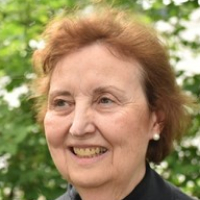
Brenda Atkinson
LCSW, CSW
Seasoned LCSW guiding emotional growth and life transitions
- Stress, Anxiety
- Relationship
- Family
Clinical social work directory
455 therapists list hospice and end-of-life counseling among the things they work with. All offer sessions online, and every profile shows the registering body, the membership number and when it runs to.
On this page you will find therapists who focus on hospice and end-of-life counseling, offering emotional support, grief work, and guidance through serious illness and bereavement. Browse the listings below to compare focus areas, approaches, languages, and experience.
LCSW, CSW
Seasoned LCSW guiding emotional growth and life transitions
NCPS
Insight-driven change with Jungian perspective
LPC
Insightful counselor blending reflection and practical tools
LCSW
Compassionate trauma-informed therapy for recovery
LCPC
Practical, compassionate therapy for everyday change
LMFT
Helping people find balance through thoughtful therapy
LCSW
Therapist blending meaning and practical skills
LCSW
Experienced LCSW blending practical skills and depth
NCPS
Gentle, collaborative Jungian-informed counsellor
BACP
Compassionate counsellor blending depth and practical tools
LCSW
Calm, practical support for everyday struggles
LPC
Therapist blending Jungian insight and practical skills
LPC
Therapist focusing on deeper meaning and everyday change
BACP
Experienced counsellor blending insight and action
NCPS
Practical, person-centred therapy with depth
BACP
Compassionate counselling with practical direction
ACA
Straightforward counselling for life’s difficult moments
BACP
Compassionate depth work for life and relationship challenges
LPC
Guiding people to clearer meaning and practical change
LPC, LPCC
Compassionate counselor focused on grief and coping
BACP
Experienced counsellor with 40 years' practice
BACP
Guide for meaning making and practical change
LPC
Compassionate counselor focused on practical change
LICSW
Therapist blending depth work with practical tools
BACP
Compassionate therapy blending insight and practical tools
BACP
Compassionate counsellor blending reflective and practical therapy
BACP
Experienced integrative counsellor for life changes
NCPS
Calm, relational counselling for life’s challenges
BACP
Jungian-informed counsellor focused on practical change
BACP
Compassionate counsellor blending Jungian and person-centred care
BACP
Understanding and practical therapy for everyday struggles
BACP
Experienced counsellor blending Jungian insight
NCPS
Jungian-informed counsellor for life transitions
LPCC
Compassionate counselor guiding practical change
Some links on this page are partner links. We will earn a commission if you sign up through one, at no cost to you. It does not change what you pay or the order of the listings.
Hospice and end-of-life counseling helps people facing life-limiting illness, the transition toward end-of-life, and the bereavement that follows. You may seek this type of counseling for many reasons - to process fears about mortality, to manage complex emotions around loss, to work through family dynamics that emerge near the end of life, or to prepare for practical and emotional decisions. Counseling in this area often exists alongside medical and palliative care but focuses on the emotional, relational, and meaning-making dimensions of the experience. Therapy can support you in naming and holding difficult feelings such as sadness, anger, guilt, and relief, and it can help create a space for reflection that honors your values and wishes.
The emotional impact of end-of-life situations is wide-ranging and may include anticipatory grief, changes in identity, shifts in relationship roles, and altered plans for the future. You might notice that your priorities shift, or that you find new clarity about what matters most. Friends and family members are often affected as well, and counseling can include work with loved ones to improve communication, resolve unfinished business, and coordinate emotional support. Because experiences vary by culture, faith, and personal history, a therapist will often attend to your unique background and beliefs as part of care.
Deciding to seek counseling is a personal choice, and there are several signs that therapy could be helpful as you navigate end-of-life concerns. You might feel overwhelmed by persistent anxiety, intrusive thoughts about dying, or intense sadness that interferes with daily life. Relationship strain is common; conversations that used to be simple can become fraught, and you may struggle to say what you need or to hear others. Practical worries about decision-making, legacy, or the logistics of care can also produce ongoing stress that benefits from an outside, compassionate listener.
Other indicators include difficulty sleeping, social withdrawal, or a sense of meaninglessness that was not present before. You may be experiencing complicated grief after a recent loss or noticing recurring memories that are hard to integrate. If you are a caregiver, you might feel exhausted, resentful, or guilty, and therapy can help you address those emotions while finding sustainable ways to cope. If you are unsure whether counseling is right for you, a consultative conversation with a therapist can help clarify what support might look like and how it could fit with the rest of your care.
When you begin hospice or end-of-life counseling, the initial sessions typically focus on understanding your situation, your goals, and the people and beliefs that shape your experience. You and your therapist will discuss what you hope to address - whether that is working through anticipatory grief, managing panic, improving family conversations, creating a legacy project, or simply having a consistent space to express emotion. Sessions often balance emotional processing with practical problem solving, such as planning conversations, documenting values, or identifying sources of support.
Therapy sessions may vary in length and frequency depending on your needs and energy. A therapist will usually invite you to describe immediate concerns and to identify what feels most pressing. Work might include reflective talking, meaning-making exercises, guided imagery, life review, or expressive practices that help you convey feelings that are hard to name. You can expect a focus on pacing and comfort - sessions honor when you need to rest or to turn attention to practical matters. Many therapists also collaborate with hospice or medical teams to align emotional care with clinical directions when you request that coordination.
If family dynamics are central to your concerns, therapy can include joint sessions or separate work with relatives. Family sessions often aim to improve communication, set boundaries, or create opportunities for reconciliation. A therapist can support you in preparing for difficult conversations, such as those about care preferences or unresolved conflicts, and can help translate emotions into clearer communication. The goal is not to force resolution but to help you and your loved ones find ways to be present with one another in ways that reflect your values.
Therapists bring a variety of approaches to end-of-life work, and many will describe a blended way of working that suits individual needs. You may find therapists who list meaning-centered work among their approaches, focusing on values, legacy, and purpose. Others may note narrative therapy approaches that help you reframe life stories, or existential approaches that attend to questions of meaning, choice, and mortality. Supportive counseling and grief-focused methods are frequently used to hold emotion and assist in practical coping.
Some therapists list approaches such as cognitive-behavioral techniques to address anxiety or sleep disruption, while others include psychodynamic or Jungian themes that explore symbolic meanings, life patterns, and personal mythology. You may also encounter therapists who list EMDR among their approaches for processing traumatic memories related to illness or loss. It is helpful to remember that a listed approach indicates the ways a therapist prefers to work, not a guarantee of specific training credentials. Discussing how an approach would be applied to your situation can help you understand whether it aligns with your needs.
Online therapy has become a common option for hospice and end-of-life counseling because it allows you to meet from home, a hospital room, or another place that feels comfortable. You can expect sessions to take place via video or sometimes by phone, with the therapist attending to audio-visual clarity and a calm, respectful presence. Many therapists who work with end-of-life concerns adapt their pacing and techniques for remote sessions, using screen-based tools, mail or email exchanges for legacy projects, and flexible check-ins when energy or mobility fluctuate.
When choosing a therapist, start by clarifying what matters most to you - whether that is experience with bereavement, comfort with life review work, a particular cultural or spiritual lens, or language needs. Look at profiles to compare focus areas, described approaches, and notes about work with families or caregivers. Pay attention to how therapists describe their process and to whether they emphasize coordination with medical or hospice teams when that is important to you. If documentation of credentials is important to you, review the credentials listed on profiles and consider asking about education and professional memberships during an initial conversation.
Consider your communication preferences and practical logistics - whether you prefer video or phone, how long sessions should be, and whether you want occasional family sessions. Think about fit - you will want a therapist who listens to your language around meaning and loss and who can reflect your values back to you. Trust your sense of comfort in early exchanges. It is reasonable to ask a prospective therapist how they approach end-of-life conversations, how they support caregivers, and how they integrate cultural or spiritual practices that are meaningful to you. Choosing a therapist is a step toward creating a steadier emotional environment as you face difficult decisions and transitions, and thoughtful selection can make that support more helpful and less burdensome.
Finding the right hospice or end-of-life counselor can help you and your loved ones navigate emotional terrain with more clarity, presence, and resilience. Use the listings above to explore therapists whose focus areas, approaches, and experience align with your needs, and consider an initial conversation to see how their way of working matches your priorities.