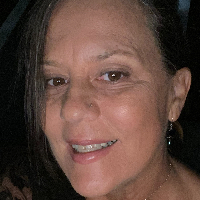
Yvette Skope, LMFT
Hawaii · 6 years in practice
Yvette Skope is a licensed Marriage and Family Therapist with six years of clinical experience based in Hawaii.
License and registration
- LMFT, Hawaii
- MFT-673 · expires December 2028
- NPI
- 1427450204 · national provider identifier
- Years in practice
- 6
- Languages
- English
Details are as listed on the therapist's public professional profile. You can check the license with the issuing state board, and the NPI with the national registry.
About Yvette
Yvette Skope is a licensed Marriage and Family Therapist with six years of clinical experience based in Hawaii. She helps people facing stress, anxiety, relationship and family concerns, trauma and abuse, depression, addictions, grief, and a wide range of other life challenges. Yvette works in a straightforward, person-focused way that aims to make therapy feel manageable and relevant to daily life.
She takes an eclectic approach and draws on Jungian ideas about inner meaning alongside client-centered methods that start where a person is.
Background and approach
Cognitive techniques and emotion-focused strategies are used when they fit the situation. Sessions may include exploring personal narratives, shadow work, and inner child themes to better understand difficult patterns. Yvette’s background includes work in intensive in-home services with youth and families and prior roles in adult mental health combining therapy and case management.
She holds a Bachelor’s degree in Psychology from the University of Hawaii at Hilo and a Master’s in Family Therapy from Argosy University, and is licensed as an LMFT in Hawaii. In sessions she emphasizes honest intentions and listening first. She aims to provide a calm space where people can tell their story, try small changes, and see how new choices feel.
Yvette blends practical skills with deeper reflective work to address symptoms and underlying dynamics. Her practice also integrates training in cognitive behavioral techniques, dialectical behavior strategies, grief and loss work, internal family systems ideas, and sand tray methods. This mix helps shape individualized plans that match each person’s goals and pace.
Focus areas and approaches
Everything Yvette lists on their public professional profile, in their own terms.
- Stress, Anxiety
- Relationship issues
- Family conflicts
- Trauma and abuse
- Depression
- Addictions
- LGBT
- Grief
- Intimacy-related issues
- Eating disorders
- Sleeping disorders
- Parenting issues
- Anger management
- Self esteem
- Career difficulties
- Bipolar disorder
- Coping with life changes
- Coaching
- Compassion fatigue
- ADHD
- Abandonment
- Adoption and foster care
- Aging and geriatric issues
- Antisocial personality
- Attachment issues
- Blended family issues
- Body image
- Cancer
- Caregiver issues and stress
- Codependency
- Commitment issues
- Communication problems
- Control issues
- Coping with natural or human-caused disaster
- Dissociation
- Emptiness
- Family of origin issues
- Family problems
- Fertility issues
- Forgiveness
- Hoarding
- Hospice and end-of-life counseling
- Impulsivity
- Infidelity
- Isolation / loneliness
- Jealousy
- Life purpose
- Midlife crisis
- Money and financial issues
- Mood disorders
- Narcissism
- Obsessions, compulsions, and OCD
- Panic disorder and panic attacks
- Personality disorders
- Post-traumatic stress
- Pregnancy and childbirth
- Prejudice and discrimination
- Process addiction (porn, exercise, gambling)
- Seasonal Affective Disorder (SAD)
- Self-harm
- Self-love
- Social anxiety and phobia
- Somatization
- Women's issues
- Workplace issues
- Young adult issues
Approaches Yvette names
- Jungian Therapy
- Client-Centered Therapy
- Cognitive Behavioral Therapy (CBT)
- Dialectical Behavior Therapy (DBT)
- Emotionally-Focused Therapy (EFT)
- Gottman Method
- Mindfulness Therapy
- Narrative Therapy
- Solution-Focused Therapy
- Trauma-Focused Therapy
Naming an approach is not evidence of training in it. This directory copies what each therapist lists and does not check training records.
Online support
How Jungian and Practical Methods Work Online
Jungian-informed work looks at personal symbols, dreams, and inner themes to help people find meaning and new directions. This approach can be useful for exploring long-standing patterns, identity questions, and issues that connect to deeper life stories.Client-centered therapy focuses on listening and meeting the person where they are. It emphasizes respect, validation, and building a trusting connection so people can try changes at their own pace. Cognitive Behavioral Therapy, when used, adds practical tools to spot unhelpful thoughts and change behaviors that maintain distress.
Choosing the right approach is part of therapy. The therapist will collaborate with each person to match methods to goals, needs, and preferences. That may mean combining reflective Jungian work with client-centered listening and CBT skill-building to address both meaning and symptoms.
Online sessions are offered by video calls, phone sessions, live chat, and text-based messaging. Video is useful for a fuller conversational experience, phone works well when bandwidth is limited, live chat can fit quick check-ins, and text messaging supports brief ongoing contact between sessions. These formats make it easier to fit therapy into a workday, a caregiving schedule, or life in Hawaii while still working with licensed professionals.
We will earn a commission if you sign up through our link, at no cost to you. It does not change what you pay or the order of the listings.
Questions people ask
What kinds of concerns does Yvette address?
She works with stress, anxiety, relationship and family issues, trauma and abuse, depression, addictions, grief, intimacy and many other concerns listed in her specialties.
What is her therapeutic style like?
Her style is person-centered and collaborative, combining practical skills with deeper reflective work. Sessions often balance listening, coping tools, and narrative exploration.
How much clinical experience does she have?
Yvette has six years of clinical experience, including intensive in-home work with youth and families and prior adult mental health roles.
What credentials and location should I know about?
She holds a Master’s in Family Therapy and a Bachelor’s in Psychology, and is a licensed Marriage and Family Therapist (LMFT) practicing in Hawaii.
Can sessions be conducted in other languages or internationally?
Sessions are offered in English. She is not currently accepting international clients.
Which session formats are available online?
Therapy is offered via video calls, phone sessions, live chat, and text-based messaging to fit different routines and preferences.
How is cost handled for sessions?
Cost varies with location and therapist availability; sessions use a subscription model that can be canceled at any time.
How do I begin working with her?
Start by selecting the Start Therapy button, complete a short matching questionnaire, and then schedule a session based on therapist availability.
More therapists in Hawaii
See allDr. Jeralyn Carter
LMHC
Therapist blending depth work with practical tools
- Stress, Anxiety
- LGBT
- Relationship

Hana Yin
LMFT
Insightful Jungian-informed therapy for life transitions
- Stress, Anxiety
- LGBT
- Relationship

Rieke Herrmann Marzouki
LMFT
Insightful Jungian-informed therapist
- Relationship
- Family
- Trauma and abuse

Alexa St. Martin
LCSW
Gentle clinical social work for relationship and identity concerns
- LGBT
- Relationship
- Family

Is this your profile?
Ask us to correct details or take the page down.
Contact us