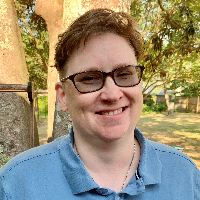
Dr. Agyenim Akuamoah-Boateng
LCMHC
Experienced counselor focused on recovery and meaning
- Stress, Anxiety
- Addictions
- Trauma and abuse
Clinical social work directory
38 therapists in this directory list Licensed Clinical Mental Health Counselor (LCMHC). Registration details are shown as each therapist lists them; the body's own public register is the place to check a number.
An LCMHC is a state-licensed mental health professional who has completed graduate education and supervised clinical experience to provide counseling services. Below you can browse verified LCMHC therapists to review their specialties, approaches and languages.
LCMHC
Experienced counselor focused on recovery and meaning
LCPC, LCMHC
Experienced Jungian-informed counselor
LCMHC
Compassionate, practical counseling for life’s hard moments
LCMHC
Warm Jungian-informed counselor focused on practical skills
LPC, LCMHC
Practical, pattern-focused therapy for adults
LCMHC, LCPC
Practical support for life changes and identity
LCMHC, MD, LCPC
Depth-oriented counselor blending Jungian and practical methods
LMFT, LCMHC
Experienced therapist blending Jungian insight and practical care
LCMHC
Guide for inner discovery and practical change
LCMHC
Compassionate practical therapy for change
LCMHC
Compassionate counselor blending depth and practical skills
LCMHC, LCPC
Compassionate counselor helping people find clarity
LCMHC
Guide for insight and life transitions
LCMHC
Heals deep patterns, builds practical skills
LCMHC, LPC
Experienced clinician blending practical skills and Jungian insight
LCMHC
Experienced therapist focusing on meaning and coping
LCMHC, LCPC
Calm, practical therapy with depth
LCMHC
Compassionate counselor blending insight and practical tools
LCMHC
Experienced therapist combining depth and practical skills
LCMHC
Experienced counselor focused on relational depth
LMHC, LCMHC
Experienced therapist blending depth and practicality
LCMHC
Rebuild balance and find clearer direction
LCMHC
Jungian-informed counselor focused on practical change
LCMHC
Experienced counselor focused on growth and coping
LPC, LCMHC
Depth-oriented Jungian-informed counselor
LMHC, LCMHC
Therapist blending depth and practical skills
LPC, LCMHC
Compassionate therapist blending Jungian and practical methods
LCPC, LCMHC
Compassionate clinician focused on practical change
LCMHC
Jungian-informed, person-centered therapy for adults
LCMHC
Combines meaning-focused therapy with practical skills
LCMHC
Exploring meaning while building practical skills
Some links on this page are partner links. We will earn a commission if you sign up through one, at no cost to you. It does not change what you pay or the order of the listings.
When you see the LCMHC credential, it indicates a clinician who has met a state board's requirements for education, supervised clinical hours and licensure in clinical mental health counseling. Typically that pathway includes a master's degree in counseling or a related field, practicum and internship placements during training, and a period of post-graduate supervised practice followed by a licensing exam. State boards set rules about scope of practice, continuing education and ethical conduct, so the LCMHC title reflects compliance with those regulatory standards where the license is issued.
Understanding the credential helps you know that the professional you are considering completed an accredited graduate program that emphasized counseling theories, assessment, diagnosis and treatment planning, plus practice with individuals, couples or groups under supervision. The specifics - such as exact hour requirements or exam names - vary by state, so the LCMHC designation should be considered in the context of the licensing authority that issued it.
As someone exploring therapy options, you may wonder how an LCMHC compares to other mental health credentials. LCMHCs are trained to provide psychotherapy across a wide range of concerns, including mood and anxiety symptoms, relationship issues, life transitions and stress management. Many LCMHCs conduct assessments, make clinical formulations and develop treatment plans tailored to individual needs. Their training emphasizes counseling interventions and therapeutic relationship skills.
Other license types, such as licensed clinical social workers, psychologists or marriage and family therapists, have overlapping capabilities but different training emphases. For example, clinical psychologists often have doctoral training that includes psychological testing and research methods, while marriage and family therapists center on relational systems and family dynamics. Licensed clinical social workers may bring training in community resources and case management. Rather than viewing one license as inherently superior, think about the clinical focus, theoretical orientation and practical experience that match what you want to work on.
LCMHCs work across many presenting concerns. You will find clinicians who list trauma, anxiety, depression, grief, substance-related issues and life transitions among their focus areas. Some emphasize work with specific populations, such as adolescents, older adults, couples or people navigating career and identity questions. Others describe experience with chronic health conditions or stress related to caregiving and family change.
Therapists with the LCMHC credential may also describe a range of therapeutic approaches they use. You might see clinicians who list cognitive-behavioral strategies, psychodynamic perspectives, somatic-informed work, mindfulness-based methods or narrative approaches among their approaches. When a therapist lists an approach such as EMDR among their approaches, that indicates it is part of what they describe, but does not imply a particular certification or standardized level of training beyond what is stated on their profile. Paying attention to both the populations a clinician focuses on and the ways they describe their approach will help you gauge fit for your concerns.
Verifying licensure is an important step when you are researching clinicians. Each state licensing board maintains public records that allow you to confirm a license is active and to view key details such as the issuance date, expiration and any disciplinary history. You can search a state's board of counseling website using the clinician's full name or license number. Many boards also provide phone or email contact if you need help locating a record.
Beyond the official license check, review what the therapist lists on their profile about education, supervised experience and areas of focus. If a clinician mentions languages they work in, years of experience, or the settings in which they have practiced, these details add context to the licensure verification. If you want additional assurance, you can ask a clinician directly about the scope of their practice, the board that issued their license and what continuing education topics they pursue. Those conversations can clarify how a clinician's background aligns with your needs.
Choosing an LCMHC can offer several practical benefits. The credential signals that the clinician has met state licensure standards for education and supervised practice in clinical mental health counseling. Many LCMHCs focus on talk therapy and counseling techniques designed to help with coping skills, symptom reduction and personal growth. If you prefer a counselor whose training centers on therapeutic relationship and counseling interventions, an LCMHC may align with your expectations.
When searching for the right clinician, start by clarifying what you want to address and what kind of therapeutic relationship suits you. Consider whether you prefer short-term skills-based work, open-ended exploration, or a mix. Look at the therapist profiles to note specialties, the populations they mention and the approaches they list. If a therapist lists a modality among their approaches, think of it as a signal of their therapeutic language rather than proof of a particular credential in that method. Also pay attention to practical considerations that matter to you, such as language, cultural background or experience with particular life stages.
When you reach out to a therapist's office or contact form, prepare a few concise questions that will help you determine fit. Ask how they typically approach the issues you want to address, what a typical session involves and how you might expect to see progress monitored. It is reasonable to inquire about the clinician's license and the state board that issued it if you could not find those details online. Lastly, trust your experience in initial contact - how a clinician responds, whether they communicate clearly about process and how comfortable you feel imagining a conversation with them are all valid factors in making your choice.
Finding a therapist involves both objective checks and subjective impressions. Verifying licensure, reading profile descriptions and noting stated approaches will give you reliable information about a clinician's background. Combining that with your sense of whether their focus areas and therapeutic language reflect your needs will help you identify an LCMHC who is a good match. Take the time to compare a few profiles and reach out with targeted questions so you can make an informed decision about who to work with.
Use the listing grid above to explore LCMHC profiles and review specialties, approaches and languages. When you find clinicians whose descriptions resonate, a brief outreach to learn more about their approach and experience can be the next practical step. Approaching the process thoughtfully will help you connect with a counselor whose training and focus align with the support you are seeking.