Clinical social work directory
Therapists who work with Eating Disorders
484 therapists list eating disorders among the things they work with. All offer sessions online, and every profile shows the registering body, the membership number and when it runs to.
On this page you will find profiles of therapists who list eating disorders among their clinical focuses, along with the approaches, languages and credentials they report. Use the listings below to explore practitioner bios, therapy styles and practical details. Browse to identify clinicians whose descriptions match what you are looking for.

Juliette Canham
BACP
Calm, practical psychotherapy for difficult moments
- Stress, Anxiety
- Relationship
- Trauma and abuse


Camilla Catt
NCPS
Collaborative counsellor offering Jungian-informed care
- Stress, Anxiety
- LGBT
- Relationship

Anita Roy
NCPS
Gentle, practical therapy for life changes
- Stress, Anxiety
- Relationship
- Trauma and abuse

Linda Flynn
LCSW
Compassionate trauma-informed therapy for recovery
- Addictions
- Relationship
- Trauma and abuse

Tal Raven
BACP
Experienced counsellor blending depth and practical help
- Stress, Anxiety
- LGBT
- Relationship


Heidi Wendenburg
LPC
Practical, steady support for life’s hard moments
- Stress, Anxiety
- Eating
- Depression

Linda Losi
LCSW
Experienced therapist blending insight and practical tools
- Stress, Anxiety
- Addictions
- LGBT

Mitchell Stevens
BACP
Practical, down-to-earth counselling online
- Stress, Anxiety
- Relationship
- Trauma and abuse



Kelley Sullivan
LCSW
Experienced LCSW blending practical skills and depth
- Stress, Anxiety
- Relationship
- Trauma and abuse

Craig Still
NCPS
Gentle, collaborative Jungian-informed counsellor
- Stress, Anxiety
- Trauma and abuse
- Grief

Edward Mcguinness
BACP
Compassionate counsellor blending depth and practical tools
- Stress, Anxiety
- Relationship
- Trauma and abuse

Valerie Bryan
LPC
Compassionate counselor who uses creativity and Jungian ideas
- Stress, Anxiety
- Relationship
- Trauma and abuse
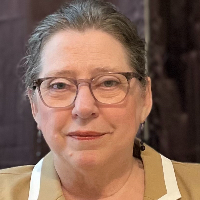
Mehreen Haroon-Ali
BACP, NCPS
Empathic counsellor blending Jungian insight and practical skills
- Stress, Anxiety
- Relationship
- Trauma and abuse

Dr. Kathryn Cornella
AZ Psychologist
Depth-oriented psychologist for life transitions
- Stress, Anxiety
- Self esteem
- Career
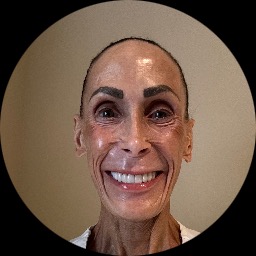
Angela Teasdale
NCPS
Compassionate counsellor helping people find practical change
- Stress, Anxiety
- Addictions
- Trauma and abuse


Jesse Palermo
LCSW
Practical, respectful therapy for life turning points
- Stress, Anxiety
- Addictions
- Relationship

James Joseph Beaulieu
LPC
Therapist focusing on deeper meaning and everyday change
- Addictions
- Relationship
- Family

Annette Isibor
BACP
Experienced Jungian-informed counsellor
- Stress, Anxiety
- Relationship
- Trauma and abuse

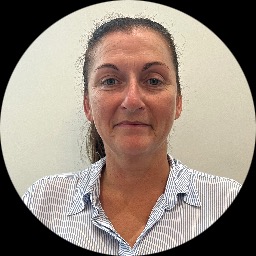
Julie-Ann Huggins
BACP
Experienced counsellor blending insight and action
- Stress, Anxiety
- Relationship
- Trauma and abuse

Jonathan Rosengren
LMSW
Jungian-informed therapist focused on practical change
- Stress, Anxiety
- Addictions
- Relationship

Dr. Dora Whiteside
LPC
Compassionate counseling grounded in practical tools
- Stress, Anxiety
- Addictions
- Self esteem


Sunshine Goodfellow
BACP
Calm, relational therapy with Jungian insight
- Stress, Anxiety
- Relationship
- Family

Sarah Bayford
BACP
Compassionate relational counselling for lasting change
- Stress, Anxiety
- Relationship
- Family

Amanda Webster
NCPS
Practical, person-centred therapy with depth
- Stress, Anxiety
- Addictions
- Trauma and abuse

Julia Wilkinson
BACP
Compassionate counselling with practical direction
- Stress, Anxiety
- Addictions
- Depression

Hadija Muniko
NCPS
Integrative counsellor focusing on relationships
- Relationship
- Trauma and abuse
- Intimacy-related issues

Christopher Ingram
BACP
Compassionate, integrative counselling for life changes
- Stress, Anxiety
- Addictions
- Trauma and abuse

Robert Lower
ACA
Straightforward counselling for life’s difficult moments
- Stress, Anxiety
- Relationship
- Self esteem

Yasmin Bouvier
NCPS
Compassionate, Jungian-informed counsellor
- Stress, Anxiety
- Family
- Intimacy-related issues

Steven Gares
LPC
Guiding people to clearer meaning and practical change
- Stress, Anxiety
- Trauma and abuse
- Eating


Natasha Hughes
BACP
Compassionate Jungian-informed counsellor
- Stress, Anxiety
- Relationship
- Trauma and abuse

Dr. Ruth Alice Morgan-Jones
BACP
Experienced counsellor with 40 years' practice
- Relationship
- Family
- Grief

Faith Cummins
BACP
Guide for meaning making and practical change
- Stress, Anxiety
- Trauma and abuse
- Self esteem


Fariba Shahbakhti-Warrington
BACP
Person-centred counsellor blending depth and practical tools
- Stress, Anxiety
- Addictions
- Family

Elizabeth Huntoon
LICSW
Therapist blending depth work with practical tools
- Stress, Anxiety
- Addictions
- LGBT

Lynfa Wharam
NCPS
Therapist blending insight and practical tools
- Stress, Anxiety
- Relationship
- Intimacy-related issues

Tatyana Sibthorpe
BACP
Compassionate therapy blending insight and practical tools
- Addictions
- Relationship
- Trauma and abuse

Lucy Ainger
BACP
Compassionate counsellor blending depth and practical change
- Stress, Anxiety
- Addictions
- Trauma and abuse

Some links on this page are partner links. We will earn a commission if you sign up through one, at no cost to you. It does not change what you pay or the order of the listings.
Understanding eating disorders and how they affect people
What eating disorders are and common patterns
Eating disorders are complex conditions that involve patterns of eating, thinking and behavior that cause distress or interfere with daily life. They often include intense preoccupation with food, body shape or weight, rigid or restrictive eating patterns, cycles of bingeing and compensatory behaviors, or persistent avoidance of eating that leads to nutritional risk. These patterns can appear in many forms and at different ages, and they frequently interact with emotional difficulties, stress, trauma and social pressures.
The experience of an eating disorder can extend beyond food and body concerns. You may notice changes in mood, energy, concentration and social functioning. Relationships can feel strained because eating-related worries influence how you participate in meals, social activities and family life. Physically, eating-related patterns can affect sleep, digestion and general wellbeing. Because eating behaviors are tied to daily routines, they can be particularly disruptive and persistent without support.
Signs you might benefit from therapy for an eating disorder
Recognizing when to seek professional support
You might consider seeking therapy when eating-related thoughts or behaviors begin to take up a large portion of your day, interfere with work or relationships, or cause distress about your health and functioning. Signs include persistent dieting or food restriction that lowers your energy and enjoyment of life, recurring episodes of overeating followed by guilt or attempts to compensate, preoccupation with calories or body weight, and avoidance of social situations that involve food. Emotional signs can include shame, intense self-criticism, increased anxiety around meals, and mood swings tied to eating patterns.
If family members or friends express concern about your health or if you notice physical symptoms such as persistent fatigue, dizziness, digestive problems or marked changes in weight, these may also be signals to seek help. Therapy can be helpful whether you are seeking early support for worrying habits or looking to address long-standing patterns. Many people pursue therapy to gain tools for managing triggers, to restore more flexible eating habits, and to repair relationships that have been affected by the disorder.
What to expect in therapy for eating disorders
The first sessions and assessment
Your early sessions will often focus on gathering information about your history with food and body image, current patterns, medical concerns and how the eating-related behaviors affect your life. A therapist will typically ask about your daily routines, mood, relationships and any prior treatment experiences. This assessment phase helps you and the clinician identify priorities for treatment, safety considerations, and goals that feel meaningful to you.
Ongoing work in therapy
As therapy progresses, you can expect a mix of practical and reflective work. Practical work may involve developing meal planning strategies, learning coping skills for anxiety or urges, and building routines that support regular eating. Reflective work often explores underlying beliefs about body, control and self-worth, patterns that may have developed over time, and how past experiences influence present-day behaviors. Many people find it helpful when therapy addresses both the behaviors you want to change and the emotions that drive them, so you gain new tools and deeper understanding simultaneously.
Therapy can be conducted in different formats - individual sessions to focus on your personal patterns, family or couple sessions to address relational dynamics around eating, or group formats that provide peer support and shared learning. Throughout, you should expect collaborative goal setting so treatment aligns with your values and day-to-day life.
Common therapeutic approaches used for eating disorders
Evidence-informed and experiential approaches
Therapists use a range of approaches to support people with eating disorders. You will find clinicians who list cognitive behavioral therapy or CBT among their approaches, which often focuses on identifying and changing unhelpful thoughts and behaviors around food and body image. Some therapists list dialectical behavior therapy or DBT among their approaches, which adds skills for emotion regulation, distress tolerance and interpersonal effectiveness. Family-based approaches are sometimes described for adolescents and young adults when family patterns are a central focus.
Psychodynamic and integrative perspectives
Other therapists may list psychodynamic or Jungian-oriented approaches among their methods, exploring how early relationships, identity, and unconscious patterns contribute to eating-related behaviors. Interpersonal therapy, mindfulness-based approaches and work that includes nutritional or medical collaboration are also commonly reported. You may also find therapists who list trauma-informed methods or who list EMDR among their approaches; these clinicians may focus on how traumatic experiences influence eating patterns. When reviewing profiles, note that listings describe approaches a therapist uses, not a certification, and consider which combination of practical skills and deeper exploration feels most appropriate for you.
How online therapy works for eating disorder support
Practical considerations for virtual care
Online therapy offers a practical way to access clinicians who list eating disorders among their specialties, particularly if local options are limited or if you prefer remote sessions. Sessions typically occur via video call or supported phone connection and follow a similar structure to in-person meetings - assessment, goal setting, skill-building and reflective work. Some therapists supplement live sessions with messaging, worksheets or homework to reinforce skills between meetings.
Safety, coordination and meal support
Because eating concerns can include medical or nutritional risks, many therapists emphasize coordination with primary care providers, dietitians or other health professionals when needed. If you are working with a clinician remotely, you will want to confirm how they handle urgent concerns and how they coordinate care with local medical resources. Some remote therapists offer guided self-monitoring or structured meal support sessions to help you implement new patterns at home. Consider whether you want a therapist who describes experience collaborating with medical professionals or working with interdisciplinary teams when reviewing listings.
Choosing the right therapist for eating disorder support
Matching approach, experience and practical fit
Choosing a therapist is a personal decision that balances clinical approach, experience, personal fit and logistical factors. Start by deciding what matters most to you - whether you want a therapist who emphasizes skills and structured interventions, someone who focuses on relational and emotional roots, or a clinician who blends both. Look for profiles that describe relevant experience, such as work with eating-related issues, age groups you identify with, languages offered and stated approaches. Remember that profiles report what a therapist lists about their practice; they do not serve as verification of specific certifications.
Questions to guide your selection
When you review a therapist profile, pay attention to how they describe their goals for therapy and the kinds of strategies they typically use. Consider whether you prefer a therapist who discusses collaboration with medical or nutritional professionals, and whether you want family involvement or group options. Practical considerations such as session format, communication style, cultural competence and whether the clinician mentions working with particular populations can influence fit. You may find it helpful to reach out to a few clinicians whose profiles resonate, ask about their approach to eating disorders and how they handle coordination of care, and then choose the person you feel most comfortable with.
Seeking support for an eating disorder is an important step. Therapy can provide tools, perspective and collaborative planning to help you move toward more flexible patterns and improved wellbeing. Use the listings on this page to explore clinicians who list eating disorders among their focuses, learn about different approaches, and identify therapists whose described style aligns with your needs and preferences.